
When restoring or rebuilding an engine, one of the biggest challenges is removing years of dirt, oil, corrosion, and carbon buildup without damaging delicate components. Traditional cleaning methods often leave scratches or fail to remove stubborn contaminants. This is where Engine Vapor Blasting has become one of the most effective and trusted solutions.
Engine vapor blasting is widely used in the automotive and engineering industries because it restores metal parts to a clean, factory-like finish while protecting the integrity of the material.
In this guide, we explain what engine vapor blasting is, how it works, and why it has become the preferred cleaning method for engine restoration.
What Is Engine Vapor Blasting?
Engine Vapor Blasting is a surface cleaning process that uses a mixture of water, compressed air, and fine abrasive media to clean and restore engine components.
The water acts as a cushion for the abrasive particles, allowing them to remove dirt, grease, oxidation, and carbon deposits without aggressively damaging the metal surface.
This process is a variation of Vapor Blasting, which is commonly used for cleaning aluminum, steel, and other sensitive components.
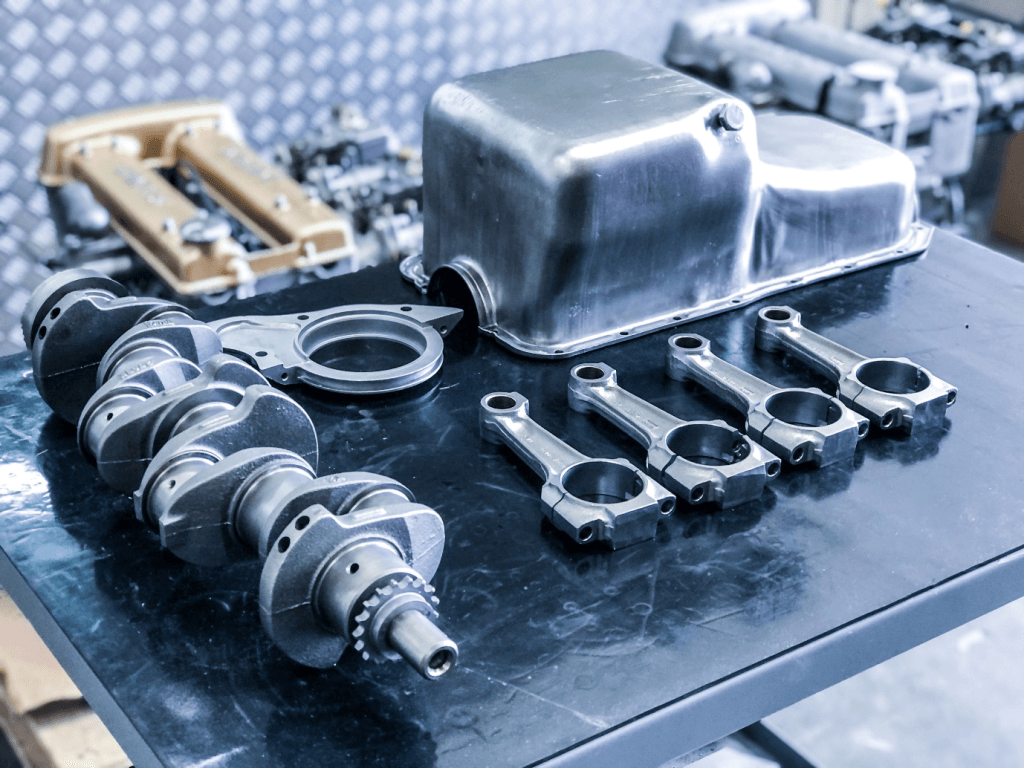
The result is a smooth satin finish that looks close to new, making it ideal for engine restorations.
Why Engine Vapor Blasting Is Popular in Engine Restoration
Engine components are often made from aluminum or other sensitive metals that can easily be damaged by harsh cleaning techniques.
Unlike traditional Sandblasting, vapor blasting offers a gentler cleaning approach while still delivering powerful results.
Some key benefits include:
-
Deep removal of grease and carbon buildup
-
Restoration of oxidized aluminum surfaces
-
Minimal surface damage
-
Reduced dust during the cleaning process
-
A smooth and uniform finish
Because of these advantages, vapor blasting is now commonly used in engine rebuilding workshops and automotive restoration projects.
Engine Parts That Can Be Vapor Blasted
Many different engine components can be safely cleaned using Engine Vapor Blasting.
These include:
Engine Blocks
Over time, engine blocks accumulate grease, rust, and oxidation. Vapor blasting removes these contaminants while preserving the metal surface.
Cylinder Heads
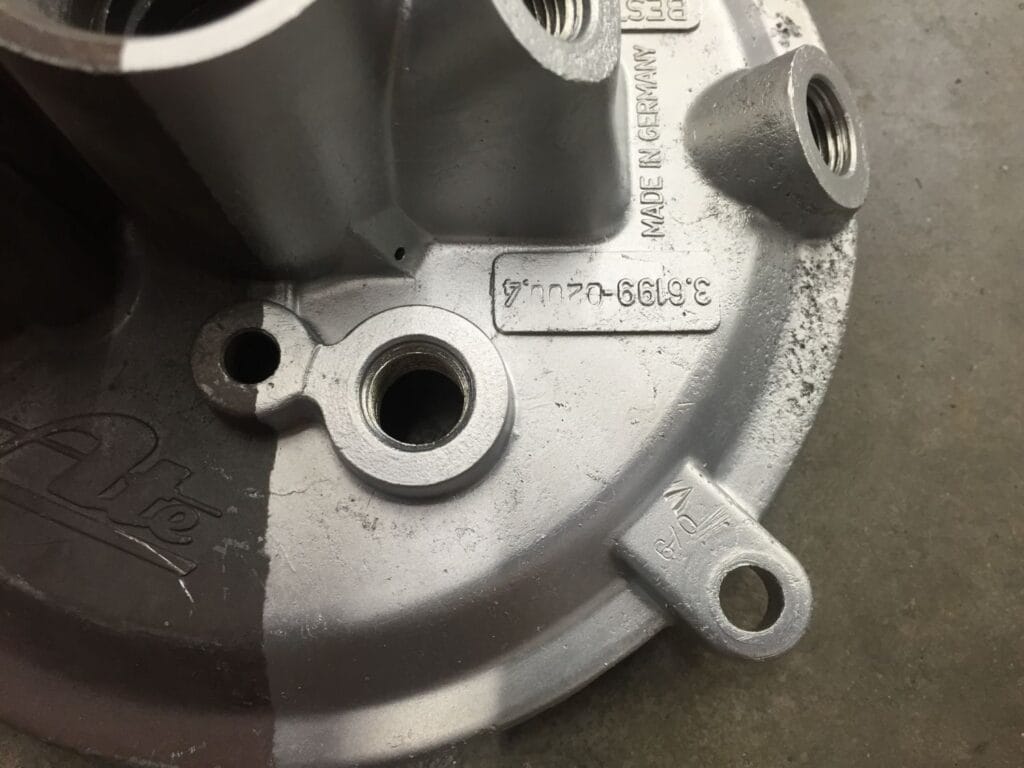
Cylinder heads often suffer from carbon buildup. Vapor blasting helps restore these parts without damaging important surfaces.
Carburetors
Carburetors require careful cleaning to avoid damaging small internal passages. Vapor blasting provides a precise cleaning solution.
Intake Manifolds
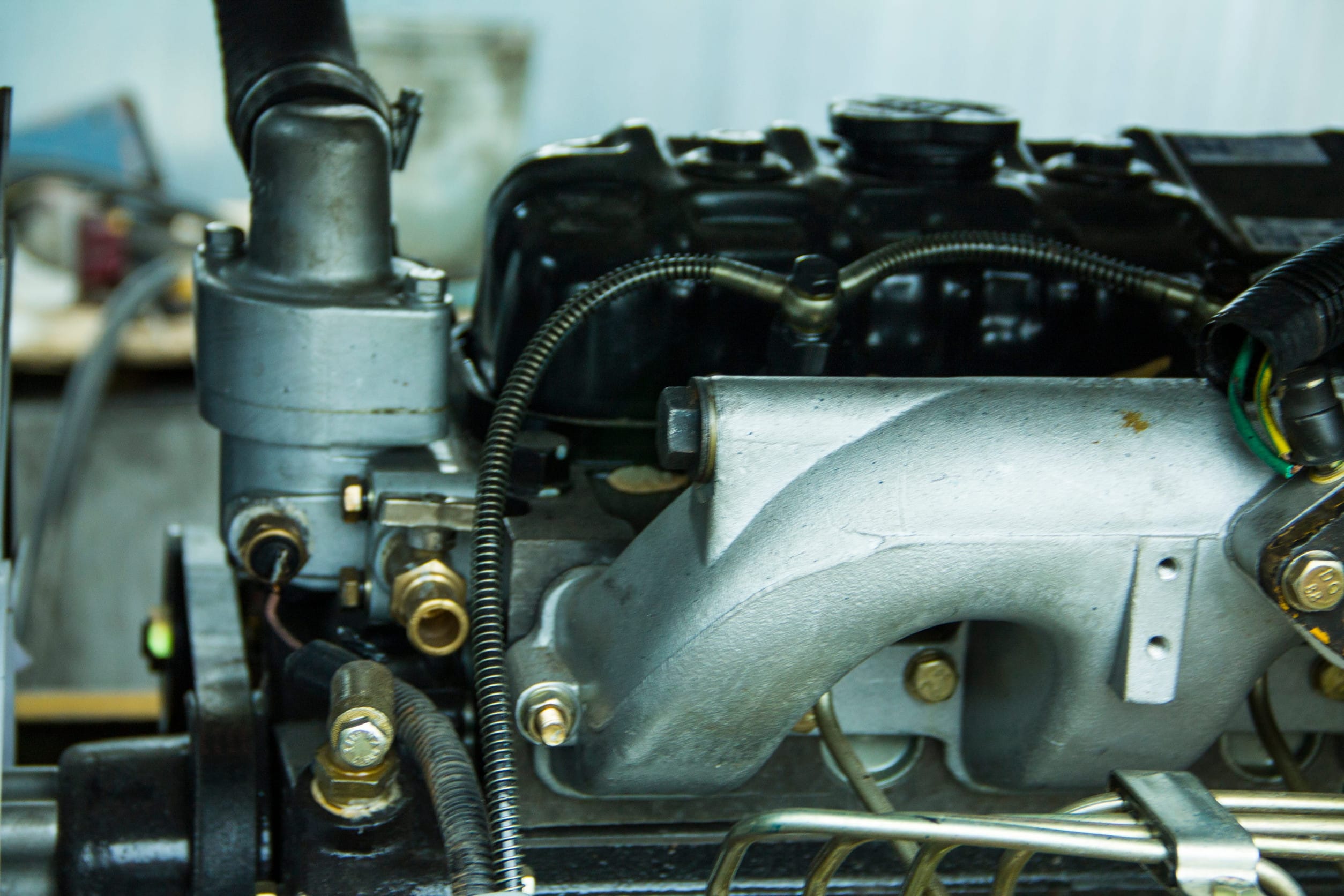
Oil and carbon deposits can reduce performance. Vapor blasting effectively removes these contaminants.
Gearboxes and Engine Covers
These components can regain their original appearance after proper vapor blasting.
The Engine Vapor Blasting Process
The Engine Vapor Blasting process follows several steps to ensure safe and effective cleaning.
1. Inspection and Preparation
The engine parts are inspected and stripped of seals, bearings, and sensitive components.
2. Degreasing
Heavy oil and grease are removed before blasting to improve cleaning results.
3. Vapor Blasting
A mixture of water, abrasive media, and compressed air is applied to the part inside a specialized blasting cabinet.
4. Final Rinse and Drying
After blasting, the components are thoroughly rinsed and dried to prevent corrosion.
5. Quality Inspection
The restored engine parts are checked to ensure they meet restoration standards.
Advantages of Engine Vapor Blasting
There are several reasons why professionals prefer Engine Vapor Blasting over other cleaning techniques.
Restores Engine Parts to Like-New Condition
The process removes oxidation and contaminants, restoring the natural appearance of aluminum and metal components.
Gentle Yet Effective Cleaning
Unlike aggressive blasting methods, vapor blasting preserves the original structure of engine parts.
Improved Surface Finish
Engine components receive a clean, satin-like finish that looks professional and well-maintained.
Reduced Environmental Impact
The water used in vapor blasting helps reduce airborne dust and debris.
When Should You Use Engine Vapor Blasting?
Engine vapor blasting is ideal for:
-
Engine rebuilds
-
Classic car restorations
-
Motorcycle engine restoration
-
Cleaning performance engine components
-
Removing corrosion from aluminum engine parts
Whether you are restoring a vintage engine or preparing components for reassembly, this method provides reliable results.
Professional Engine Vapor Blasting Services
While small parts can sometimes be cleaned using DIY methods, professional equipment ensures the best possible outcome. Specialists use advanced vapor blasting systems to achieve consistent results while protecting delicate components.
Companies such as Vaporedge Industries offer professional blasting services designed for automotive and industrial applications.
With the right expertise and equipment, engine parts can be restored safely and efficiently.
Final Thoughts
Engine restoration requires precision and care, especially when dealing with delicate components. Engine Vapor Blasting has become one of the most effective ways to clean and restore engine parts without causing damage.
From removing years of grime to restoring oxidized aluminum surfaces, this method offers a safe, efficient, and professional solution for engine restoration.
Businesses and individuals looking to restore engine components can rely on specialists like Vaporedge Industries for high-quality vapor blasting services that deliver outstanding results.
Looking For Premium Vapor Blasting in Johannesburg?
Contact Vapor Edge Industries for a Quote