
Introduction to Vapor Blasting Technology
Vapor blasting, also known as wet blasting or vapor honing, has quickly become one of the most trusted cleaning and restoration methods in the automotive restoration industry. Restoration specialists, engine rebuilders, and mechanical workshops are increasingly turning to vapor blasting because it offers an efficient, safe, and highly effective way to clean delicate components without damaging their original structure.
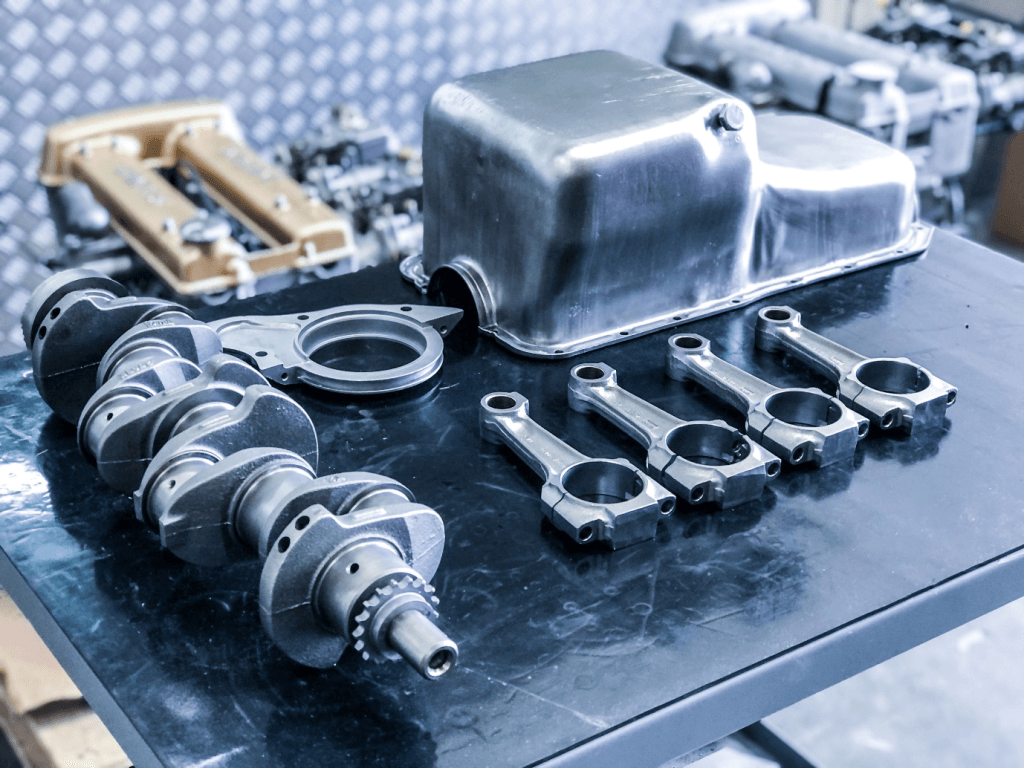
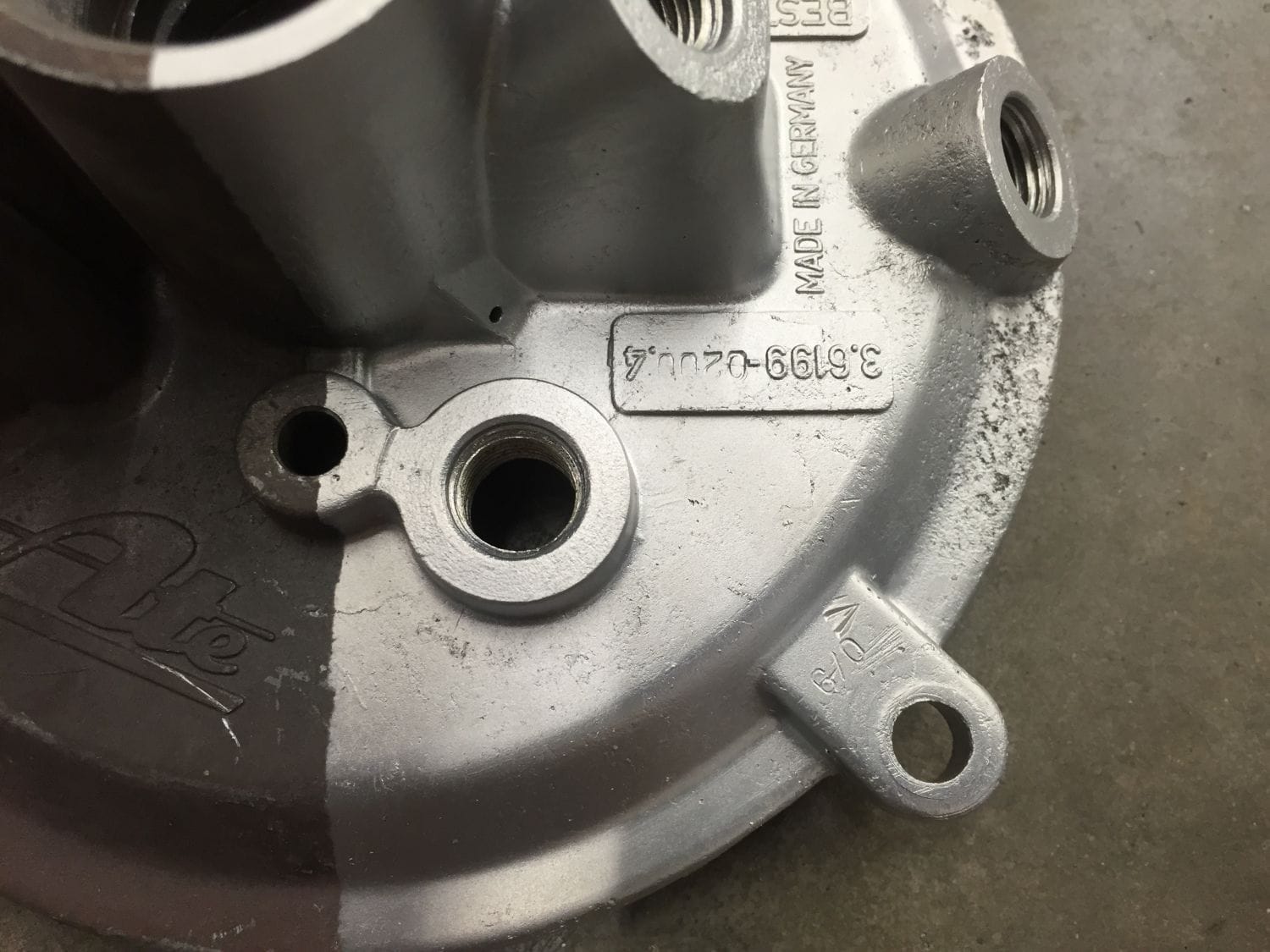
Unlike traditional dry blasting methods, vapor blasting combines water, abrasive media, and compressed air to create a powerful cleaning slurry. This wet slurry flows smoothly across surfaces, gently removing corrosion, rust, grease, and decades of accumulated grime. At the same time, it preserves critical details such as casting marks, serial numbers, and original surface textures—features that are essential for maintaining the authenticity and value of classic automotive parts.
For restoration professionals and enthusiasts alike, vapor blasting is rapidly becoming the preferred solution for restoring historical automotive components to their original appearance.
What is Vapor Blasting?
Vapor blasting is a surface-cleaning process that uses a mixture of water, abrasive media, and compressed air to clean and restore metal components. The water-based slurry cushions the abrasive particles, allowing them to clean surfaces more gently compared to traditional dry blasting.
This process is particularly effective for cleaning engine parts, carburetors, gearboxes, aluminum castings, motorcycle components, and other mechanical parts that require both precision and care.
Because the water acts as a lubricant, the abrasive particles glide across the surface rather than aggressively striking it. This results in a smooth, uniform finish while preventing damage to delicate materials.
Why Automotive Restoration Shops Prefer Vapor Blasting
Automotive restoration requires techniques that remove contamination without destroying the character of original parts. Vapor blasting excels in this area because it cleans thoroughly while preserving the history embedded in the component.
Traditional dry blasting can be too aggressive. It often strips away identifying marks, casting textures, and subtle surface details that contribute to a vehicle’s historical value. Vapor blasting, however, cleans the surface without erasing these important characteristics.
For restoration professionals, this balance between deep cleaning and gentle treatment makes vapor blasting an essential part of the restoration process.
Deep Cleaning for Hard-to-Reach Areas
One of the biggest advantages of vapor blasting is its ability to reach areas that are difficult or impossible to clean using conventional methods.
The water-based slurry flows naturally across surfaces and into tight spaces, crevices, and small channels. This flow-based cleaning action allows vapor blasting to remove rust, corrosion, and debris even in areas where brushes, chemicals, or traditional blasting cannot reach.
For complex engine parts or components with intricate shapes, this capability dramatically reduces cleaning time while delivering superior results.
Superior Surface Finishing for Engine Rebuilds
Beyond cleaning, vapor blasting also enhances the appearance and performance of restored parts.
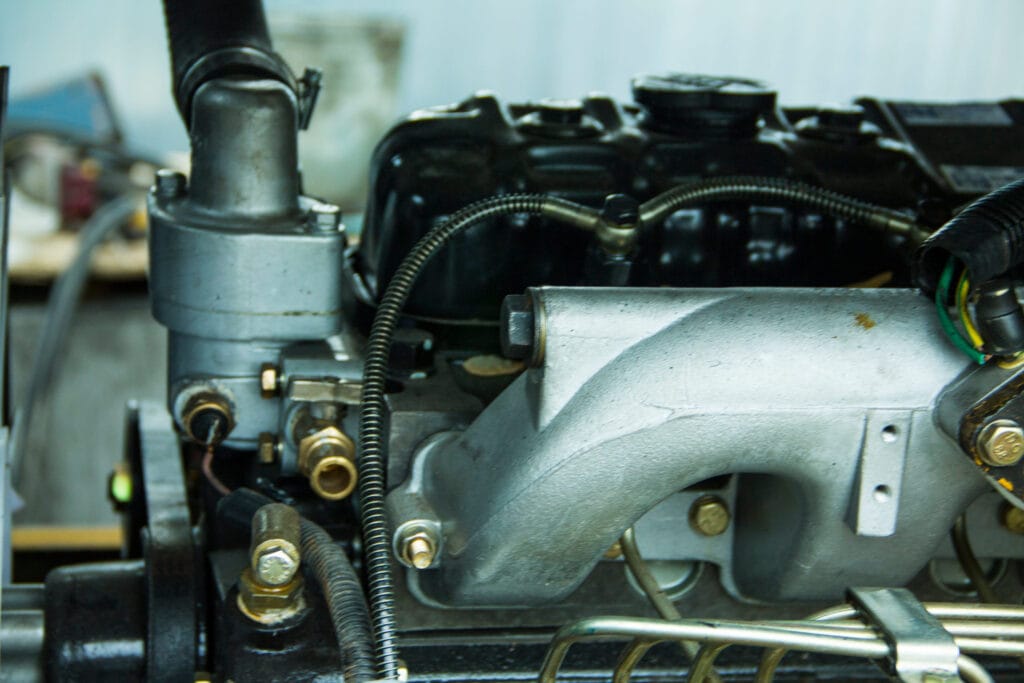
The process produces a smooth satin finish that looks like new without appearing artificially polished. This finish is particularly desirable for aluminum components such as engine blocks, cylinder heads, and intake manifolds.
In addition, vapor blasting prepares surfaces for further processes such as coating, painting, or sealing. The consistent finish ensures that coatings adhere better and last longer.
For engine rebuilders and restoration specialists, this dual function of cleaning and finishing makes vapor blasting incredibly valuable.
Health and Safety Benefits of Vapor Blasting
Another reason many workshops prefer vapor blasting is its safer and cleaner operating environment.
Traditional dry blasting produces large amounts of airborne dust and abrasive particles. This dust can pose respiratory hazards and create a messy working environment that requires extensive protective equipment.
Vapor blasting eliminates most of this dust by using water to contain the abrasive media. As a result, workshops experience cleaner air, quieter operation, and a more comfortable working atmosphere.
Because dust is minimized, technicians often do not require heavy respiratory protection typically needed with dry blasting systems.
Versatility Across Different Materials
Vapor blasting is not limited to metal components. The process is versatile enough to clean and restore various materials used in automotive and mechanical applications.
It can safely clean:
-
Carburetors & Fuel System Components: Carburetors require absolute precision. Dry media blasting packs fine dust into tiny internal fuel circuits and passages, destroying the component. Vapour blasting uses a cushioned water liquid-honing action that thoroughly clears out fuel varnish and varnish deposits without altering internal dimensions or eroding threads.
-
Plastic housings
-
Rubber components
Because the process is gentle yet effective, it restores parts without causing damage or deformation.
Key Advantages of Vapor Blasting
Many restoration shops are adopting vapor blasting because of the numerous benefits it provides. Some of the most notable advantages include:
Consistent Satin Finish
Vapor blasting produces a smooth, even surface that looks professionally restored without appearing overly polished.
Restores Plastic and Rubber Components
Unlike aggressive cleaning techniques, vapor blasting can clean many non-metal components without damaging them.
Preserves Casting Marks and Identifiers
Important identification marks, serial numbers, and original casting textures remain intact during cleaning.
Ideal Surface Preparation for Coatings
The process prepares parts perfectly for paint, powder coating, or protective treatments.
Dust-Free Workshop Environment
Water suppresses dust, keeping workspaces cleaner and safer.
Low Noise Operation
Vapor blasting equipment operates at lower decibel levels compared to many dry blasting systems.
Chemical-Free Cleaning
No harsh chemicals are required, reducing environmental impact and disposal costs.
Lower Abrasive Consumption
Because the slurry reuses abrasive media efficiently, workshops save money on materials.
Customizable Surface Finishes
Operators can adjust blasting pressure and media type to achieve different finishes tailored to customer requirements.
Conclusion
Vapor blasting is transforming the way automotive restoration professionals clean and prepare mechanical components. By combining powerful cleaning capabilities with gentle surface treatment, this technology provides unmatched results for restoring classic parts.
With benefits such as dust-free operation, environmental friendliness, surface finishing capabilities, and the ability to preserve historical details, vapor blasting has become the preferred method for modern restoration workshops.
If you are looking to restore automotive components while maintaining their authenticity and value, vapor blasting is undoubtedly one of the most effective solutions available today.
Looking for Engine Vapour Blasting in Johannesburg?
If you are currently rebuilding a classic engine, cleaning high-performance alloy heads, or refreshing dual carburetors in Gauteng, VaporEdge Industries provides professional workshop cleaning with a guaranteed 48-hour turnaround from our Malvern East facility.