General

vapour blasting services performed on an engine block in Johannesburg

The 48-Hour Standard: Why Speed and Precision Must Coexist in Metal Restoration

In a professional engineering shop or a high-end engine build, time is the enemy. You have a timeline, a client waiting, and a set of parts that need to be perfectly clean before assembly. The most frustrating part of the process is often the “waiting game”—sending parts out for cleaning and not seeing them again for two weeks. At VaporEdge, we believe that quality shouldn’t come at the cost of your schedule. That’s why we’ve built our entire operation around a guaranteed vapour blasting johannesburg turnaround of 48 hours. Industrial-Grade Efficiency for Professional Shops We don’t achieve our speed by cutting corners. We achieve it through the Aquablast 1215 system—the most efficient wet blast technology in South Africa. By combining industrial-grade power with a streamlined workflow, we provide fast engine cleaning jhb without compromising the “Zero Pitting” guarantee. For shops in the Bedfordview and Malvern East areas, we provide a centrally located hub for bedfordview vapour blasting, making drop-off and collection seamless for your team. Why Turnaround Time Matters for Your Bottom Line Every day a component sits in a cleaning queue is a day your project is stalled. For a professional shop, this means: Idle Labor: Mechanics waiting for parts before they can proceed with assembly. Delayed Deliveries: Missing client deadlines and damaging your professional reputation. Cash Flow Friction: Projects that take longer to finish take longer to invoice. By utilizing our industrial wet blasting turnaround, you keep your projects moving and your clients happy. 👉 Stop letting your cleaning process be a bottleneck. See why we are Johannesburg’s premier vapour blasting specialists. Precision on Demand Whether it’s a single carburetor or a full set of engine casings, we treat every part with the same level of precision. Our quick metal restoration johannesburg service is designed for those who demand excellence but can’t afford to wait. Don’t take our word for it—view our 48-hour results and see the factory-perfect finish we deliver in record time. Precision. Quality. Speed. No Compromises. Request a fast-track quote today and get your project back on track. Looking For Premium Vapor Blasting in Johannesburg? Contact Vapor Edge Industries for a Quote Contact us

The 48-Hour Standard: Why Speed and Precision Must Coexist in Metal Restoration Read Post »

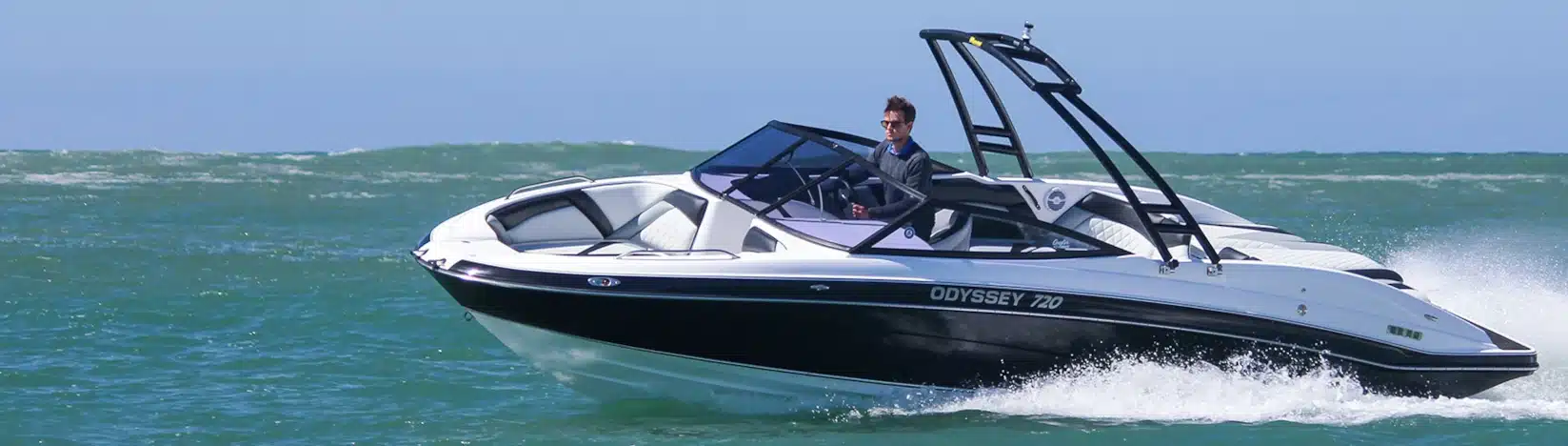
I had several marine and industrial parts that needed cleaning before repainting. Instead of buying new parts, Vaporedge restored them perfectly. The cost savings and service quality were outstanding

The Restorer’s Secret (The Factory Finish)

The Restorer’s Secret: Achieving a Factory-Perfect Finish on Vintage Metal Anyone can make a part clean, but very few can make it look factory. For those restoring vintage motorcycles or high-performance engines, the goal isn’t just the absence of dirt, it’s the presence of that specific, smooth, satin sheen that comes straight from the manufacturer’s assembly line. Traditional cleaning methods like chemical dipping or wire brushing, often leave streaks, scratches, or a dull, unnatural finish. To get a factory perfect finish engine parts, you need a process that cleans the metal without scarring it. The Power of the Slurry: More Than Just Cleaning Vapour blasting uses a specialized slurry of water and fine glass beads. As the mixture hits the metal, the water acts as a lubricant, while the beads gently massage the surface. This process doesn’t just remove grease and oil; it actually polishes the metal as it cleans. This is particularly effective for motorcycle component restoration. From engine casings to swingarms, the result is a uniform, non-reflective finish that looks brand new, but feels authentic to the era of the bike. Eliminating the Tough Stuff: Carbon and Paint The real test of any cleaning system is carbon buildup. In engine heads and manifolds, carbon can be baked on so hard that it feels like stone. Traditional scrubbing can damage the casting. Our system allows us to remove carbon from engine parts efficiently and safely, revealing the clean aluminium underneath without any aggressive sanding. For those seeking high-end aluminium surface polishing, the result is a surface that is not only beautiful but also easier to keep clean, as the smooth finish resists oil and grime better than a pitted surface.  Don’t settle for clean when you can have perfect. Trust the #1 wet blast system in South Africa to handle your most precious components. Precision Engineering for Every Component Whether you are a professional engine builder or a weekend enthusiast, the quality of your finish defines the quality of your build. By choosing precision metal cleaning johannesburg, you ensure that your hard work is matched by a professional aesthetic. Still wondering if your part is suitable for vapour blasting? Check out our vapour blasting faq to learn more about materials and processes. Your restoration deserves a finish that matches your passion. Get a professional restoration quote today and bring your components back to life. Looking For Premium Vapor Blasting in Johannesburg? Contact Vapor Edge Industries for a Quote Contact us

The Restorer’s Secret (The Factory Finish) Read Post »

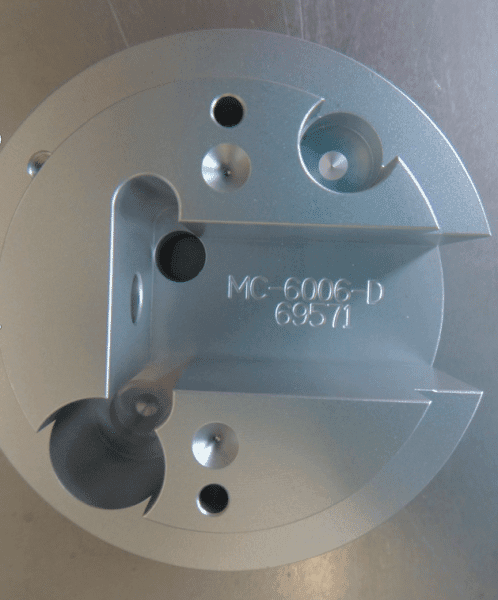
A high precision engineering aerospace part brought to a factory satin finish through vapour blasting by Vapor Edge Industries in Joburg

The Aerospace Standard

The Aerospace Standard: Why Zero-Tolerance Cleaning is Non-Negotiable for Aviation Hardware In aerospace engineering, the margin for error is zero. Whether it is a fuel component, a landing gear bracket, or a specialized fitting, the surface integrity of the part is a matter of safety and performance. When these components require cleaning or restoration, traditional abrasive methods are not just suboptimal—they are dangerous. The risk of “surface scarring” or microscopic pitting can create stress risers in the metal, potentially leading to fatigue failure under high pressure. This is why aerospace component cleaning requires a process that is entirely non-destructive. Precision Without Compromise: The Aquablast Advantage Vapour blasting is the only method that meets the rigorous demands of aviation and high-precision engineering. By using a water-based slurry, we eliminate the violent impact of dry abrasives. The result is a precision metal restoration johannesburg service that cleans to the deepest pores of the metal without removing a single micron of critical material. For components where tolerances are measured in thousandths of an inch, non-destructive aviation cleaning is the only way to ensure that the part’s structural integrity remains intact while achieving a factory-fresh finish. Beyond Aesthetics: Functional Restoration For aerospace and precision hardware, a “clean” look is a byproduct; the real goal is functional restoration. We focus on: Contaminant Removal: Removing carbon, oxidation, and old coatings without altering the substrate. Surface Uniformity: Achieving an aerospace hardware finishing that is consistent across complex geometries. Repeatable Quality: Using UL-certified systems to ensure that every part is treated with the same precision, every time. 👉 When failure is not an option, precision is the only choice. See why we are Johannesburg’s premier vapour blasting specialists. The High-Precision Workflow Our facility is configured for components that require the highest level of care. From our closed-loop system to our precision turntables, we provide high-precision wet blasting that meets the standards of the most demanding engineering shops in South Africa. We invite you to view our precision portfolio to see the level of detail we achieve on high-value industrial and aviation components. In aviation, precision is safety. Don’t compromise on your surface restoration. Request an aerospace-grade quote today and ensure your components meet the highest industry standards. Looking For Premium Vapor Blasting in Johannesburg? Contact Vapor Edge Industries for a Quote Contact us

The Aerospace Standard Read Post »

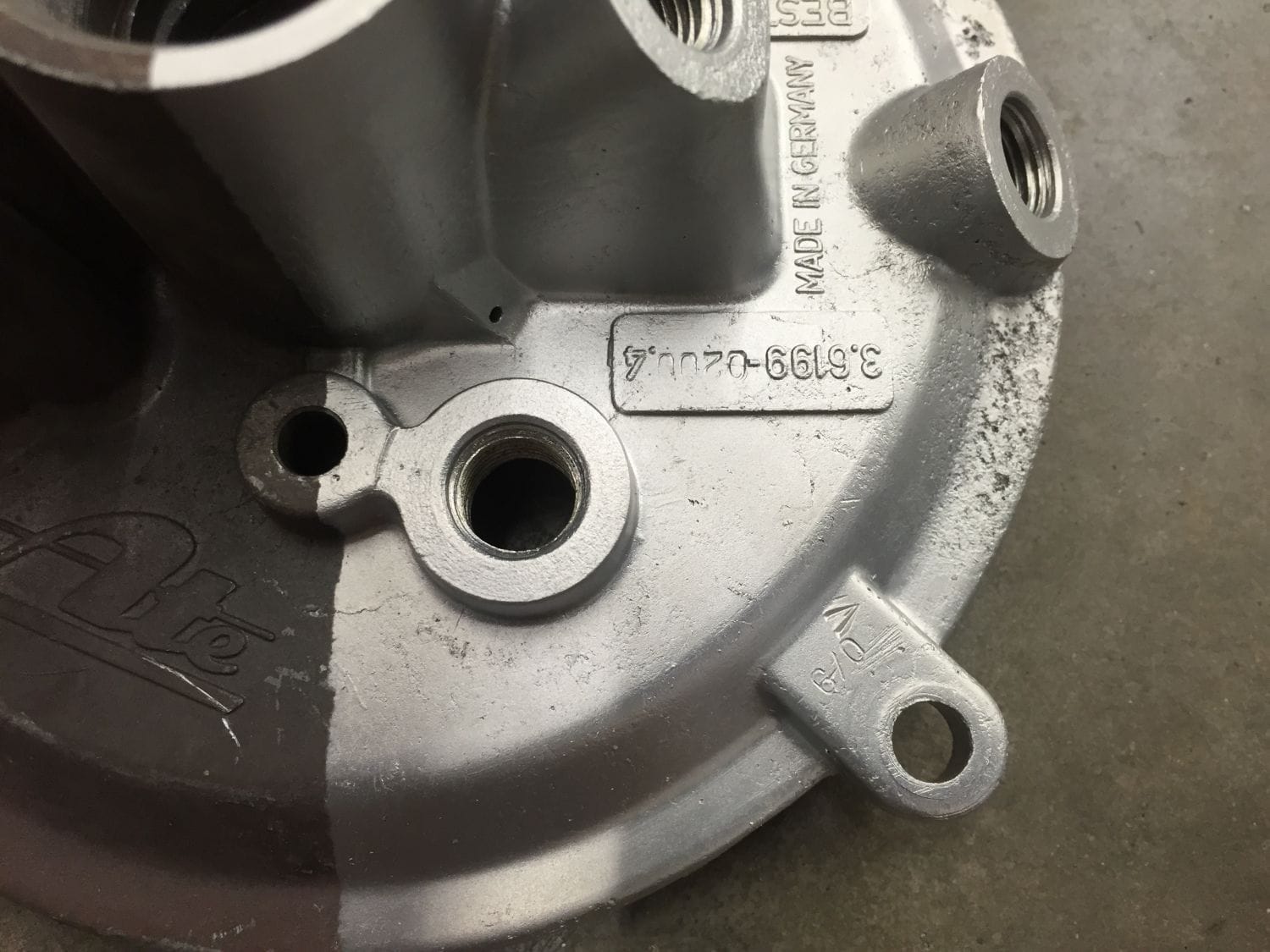
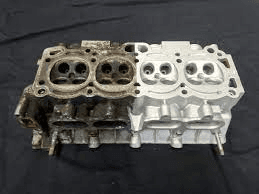
A precision engineering component half vapor blasted in Johannesburg South

Beyond Cleaning: How Industrial Vapour Blasting Extends Component Lifespan

In high-precision engineering, the difference between a component that lasts ten years and one that fails in two is often found in the surface finish. For industrial plants and machine shops across Johannesburg, “cleaning” is often viewed as a maintenance chore. However, when dealing with critical engineering components—CNC machined parts, hydraulic housings, or heavy-duty valves—the method of cleaning can either preserve the part’s structural integrity or compromise it. Traditional abrasive methods are too aggressive for precision tolerances. To maintain the strict requirements of modern engineering, the industry is shifting toward industrial vapour blasting. The Engineering Challenge: Surface Integrity vs. Contamination The primary challenge in industrial maintenance is removing oxidation, carbon buildup, and old coatings without altering the base metal’s dimensions. In a precision environment, a loss of even a few microns can lead to seal failure, improper fitment, or premature wear. Dry blasting removes contamination, but it does so by gouging the surface. This creates a peaked surface profile that can act as a stress riser, potentially leading to microscopic cracks under high pressure or thermal load. The Science of the Satin Finish: Why Vapour Blasting is the Industrial Choice Vapour blasting (or liquid honing) utilizes a high-pressure slurry of water and fine abrasive. This process provides three distinct engineering advantages: Zero Dimensional Loss: Because the abrasive is suspended in a liquid medium, the impact is distributed evenly. This allows for the removal of contaminants without eroding the base metal, ensuring that critical tolerances are maintained. Surface Peening Effect: The process slightly compresses the surface of the metal. This peening effect closes surface pores and creates a uniform, satin finish that is more resistant to future corrosion and oxidation. Superior Lubrication Retention: A vapour-blasted surface provides an ideal profile for lubricants and oils to adhere to, reducing friction and wear in moving assemblies. Applications in the Johannesburg Industrial Sector From the manufacturing hubs of Johannesburg South to the engineering firms of the East Rand, vapour blasting is becoming the standard for: CNC Machined Components: Removing machining marks and oxidation while preserving the exact geometry of the part. Hydraulic & Pneumatic Housings: Cleaning internal and external galleries without the risk of abrasive grit entering the system. Tooling and Die Restoration: Refreshing industrial dies to their original state without altering the critical mating surfaces. Custom Fabrication: Providing a high-end, professional satin finish for bespoke engineering projects. Reducing Downtime through Preventative Restoration The goal of professional surface restoration is not just aesthetics, it is the reduction of downtime. By employing a non-destructive cleaning process, companies can extend the lifecycle of their existing assets rather than investing in expensive replacements. When a component is restored to its factory-satin finish, it is easier to inspect for cracks, leaks, or wear, allowing for a more accurate preventative maintenance schedule. Precision Surface Preparation in Johannesburg South Engineering excellence requires a partner who understands the difference between clean and precision-restored. At VaporEdge Industries, we provide the technical expertise and the specialized equipment necessary to handle the most demanding industrial components. Whether you are managing a fleet of machinery or a single critical component, we ensure that your parts return to service with their integrity intact and their lifespan extended. Looking for a precision finish that meets industrial standards? Request a Professional Quote Today Contact us

Beyond Cleaning: How Industrial Vapour Blasting Extends Component Lifespan Read Post »

A precision engineering component half vapor blasted in Johannesburg South

Stop the Damage: Why Cleaning Isn’t Enough for Precision Parts

Stop the Damage: Why Cleaning Isn’t Enough for Precision Parts In mechanical restoration, clean is not the finish line, it’s just the starting point. Many workshop owners across Johannesburg rely on traditional abrasive blasting to remove grease, carbon, and corrosion, believing that if the part looks clean, the job is done. But the method of cleaning determines whether a restored component lasts ten years or fails in two. When dealing with precision engine parts, classic car castings, or marine hardware, the wrong cleaning approach can destroy the very value you are trying to restore. This is where non-destructive vapour blasting changes the equation. Unlike dry blasting, which strips metal along with the contamination, wet slurry cleaning removes dirt and oxidation while preserving the original surface geometry. For workshops and restorers in Gauteng, understanding the difference is the difference between a restoration that holds its value and one that introduces hidden failure points. Why Sandblasting Fails on Precision Parts Dry abrasive blasting works by firing high-velocity particles at the surface. On heavy structural steel this is acceptable, but on precision automotive and marine castings it introduces three specific problems that are often invisible until the part is back in service. Surface pitting and erosion. The impact of dry media removes microscopic layers of base metal alongside the contamination. On an engine block deck surface or a cylinder head mating face, this dimensional loss can affect seal compression. The part may look restored, but the tolerances have shifted. Media implantation into porous metals. Cast aluminium and magnesium are porous materials. When dry grit strikes these surfaces at high velocity, the particles fracture and embed themselves into the microscopic pores of the metal. On oil-fed components like cylinder heads or engine blocks, these embedded fragments can later dislodge once the engine reaches operating temperature. The thermal expansion of the aluminium opens the pores, releasing abrasive particles directly into the oil system, where they travel to main bearings and cam journals as grinding paste. This is not a theoretical concern — engine builders regularly report bearing failure traced back to embedded blast media from improperly cleaned components. Loss of authentic casting marks. For classic car and motorcycle restorations, original factory markings, date stamps, and casting numbers are essential for period-correct authenticity and vehicle valuation. Dry blasting rounds off these details irreversibly. The part can never be returned to its original documented state. How Vapour Blasting Solves Each Problem Vapour blasting, also known as wet blasting, liquid honing, or aqua blasting, replaces dry kinetic impact with hydraulic shear. A pressurised slurry of water and fine abrasive media is directed at the component surface. The water layer cushions each particle, so contamination is washed away while the underlying metal remains untouched. Zero dimensional loss. Because the abrasive is suspended in liquid, the impact is distributed evenly across the surface. Contaminants are removed, but base metal is not eroded. Tolerances remain within factory specification, and there is no need to remachine mating surfaces after cleaning. For workshops doing precision automotive vapour blasting in Johannesburg, this is the primary reason for choosing wet blasting over dry methods. Surface peening prevents future corrosion. The water slurry micro-peens the metal surface as it cleans. This compresses the outer layer of the aluminium, closing microscopic pores that would otherwise trap moisture and contaminants. The result is a component that stays cleaner longer and requires less frequent restoration. This closed-pore effect is particularly valuable on marine and industrial parts that operate in corrosive environments. Our industrial vapour blasting extends component lifespan precisely through this peening mechanism. Casting marks and details are preserved. Raised casting numbers, manufacturer logos, and machined reference surfaces survive the process intact. For restorers, this means the provenance of the part is maintained. For performance builders, it means sharp edges and defined geometry remain as the manufacturer intended. Why Dust-Free Matters for Your Workshop Beyond the part itself, dry blasting creates a cloud of airborne silica dust that settles throughout the workshop. Vapour blasting eliminates this hazard entirely. The water content in the slurry suppresses airborne particles, creating a cleaner, safer working environment. For workshops in the Bedfordview and Malvern East areas where space is at a premium, the ability to operate without dust containment is a practical advantage. When to Choose Non-Destructive Cleaning If your project falls into any of these categories, traditional abrasive cleaning introduces unnecessary risk: Automotive restoration: Cylinder heads, gearboxes, engine blocks, and manifolds where surface integrity and dimensional accuracy are non-negotiable. Marine hardware: Outboard components, jet pump housings, and propeller hubs where corrosion removal must not reduce wall thickness. Precision engineering: CNC-machined components and hydraulic assemblies that require a uniform satin finish for sealing or aesthetic purposes. Motorcycle restoration: Air-cooled engine casings and cooling fins where thin-wall castings are vulnerable to dry blasting damage. For any of these applications, the goal is not simply to make the part look clean. The goal is to restore the component to a state where it can return to service with zero compromise to its structural integrity. That requires a cleaning method that removes contamination without removing metal. The Process Every component we treat follows the same six-step quality path: inspection on arrival, hot degreasing to remove bulk oil and grease, vapour blasting with calibrated pressure and media matched to the material, clean water rinse and compressed air drying, post-treatment corrosion protection on steel components (ACF-50), and a final quality check before collection. Our 48-hour turnaround means most components are ready within two working days of drop-off at our JHB South workshop. The difference between a clean part and a properly restored part is the method used to get it there. Vapour blasting delivers the finish that conventional methods promise but cannot achieve without compromising the component. Get a quote for your components — we respond within two hours during business hours. Ready to see the difference precision makes? Get a Professional Quote Today Contact us

Stop the Damage: Why Cleaning Isn’t Enough for Precision Parts Read Post »

A precision engineering component half vapor blasted in Johannesburg South

Bring Your High-Precision Components Back to Factory Specifications

For industrial fabricators, precision machine shops, and automotive engineering hubs operating across Johannesburg South, surface preparation is a constant operational bottleneck. Heavy components like cast iron engine blocks, hydraulic manifolds, and custom structural steel fabrications quickly accumulate thick layers of mill scale, rust, and industrial slag. Traditional dry sandblasting has long been the default cleaning method in these industrial zones, but it introduces severe structural risks and costly environmental cleanup challenges. The core problem with dry abrasive blasting in a high-precision production environment is the aggressive impact force and the resulting cloud of airborne dust. Dry sandblasting relies on raw kinetic friction, which can warp thin-walled alloy castings, pit machined bearing journals, and destroy critical engineering tolerances. To achieve a perfectly clean surface while maintaining absolute dimensional accuracy, forward-thinking operations are shifting to professional vapour blasting johannesburg south services to safely process their high-value components. The Micro-Tolerance Crisis: How Dry Abrasives Degrade Machined Metal When an engineering workshop finishes a precision component on a CNC machine, the surface dimensions are held to tight tolerances. Subjecting that freshly machined component to standard dry sandblasting can immediately ruin hours of specialized labor. The unbuffered, high-velocity impact of dry grit profile-cuts the metal substrate, eroding sharp edges and altering the microscopic dimensions of the part. This dimensional drift is a major failure point for press-fit bearing seats, threaded fastener holes, and critical high-pressure mating flanges. Vapour blasting completely avoids this structural degradation by introducing a pressurized liquid barrier. Because the fine abrasive media is suspended in a controlled water slurry, the fluid layer cushions the impact, allowing the mixture to sweep across the metal surface to remove contaminants via hydraulic shear without removing any of the underlying base metal. The Zero-Dust Imperative: Workshop Safety and Particle Implantation Beyond structural damage to the metal itself, traditional dry blasting creates an extreme occupational health hazard in the form of airborne silica dust and fractured media debris. This fine dust migrates across the workshop floor, settling onto precision machinery, contaminating wet paint bays, and entering the air filtration systems of expensive CNC hardware. For operations trying to maintain clean, compliant assembly areas, dry blasting cabinets are a constant source of environmental contamination. Furthermore, dry blasting forces fractured abrasive particles deep into the raw microscopic pores of cast alloys. When these parts are put into service—especially inside oil-carrying engine components or high-pressure hydraulic circuits—thermal expansion releases the trapped grit directly into the fluid lines. This loose abrasive material acts as a destructive grinding paste, causing premature seal degradation and component failure. Utilizing a specialized, dust-free wet abrasive slurry ensures all media is continuously flushed away, leaving the metal pores completely clean and free of embedded debris. Operational Economics: Vapour Blasting vs. Traditional Sandblasting For industrial operations looking to improve production efficiency, comparing processing methods is essential for keeping projects on schedule and under budget. While dry sandblasting seems cheap initially, the secondary costs of manual masking, post-blast cleaning, re-tapping threads, and rectifying warped parts quickly add up. Choosing advanced vapour blasting services johannesburg helps local engineering firms streamline their workflows by delivering a clean, ready-to-assemble finish right out of the machine. Engineering Component Challenge Traditional Dry Sandblasting Risks Wet Vapour Slurry Solution Production Workflow Advantage Mated Flanges & Valve Faces High risk of surface pitting, causing costly fluid and pressure leaks. Maintains absolute flatness and keeps surface profiles true. Eliminates the need for expensive secondary machining or lapping. Internal Threaded Holes Erodes and strips out fine thread pitches, requiring thread inserts. Flushes threads clean without changing the pitch dimensions. Saves hours of tedious manual masking and post-blast tapping. High-Volume Sheet Fabrications Frictional heat warps thin panels, ruining structural alignment. Water buffer absorbs friction heat, keeping panels perfectly flat. Reduces scrap rates and eliminates time spent straightening parts. Mitigating Johannesburg South’s Industrial Weather and Oxidation Factors Engineering workshops and fabricators across the industrial belts of Johannesburg South must contend with a demanding regional climate that accelerates metal oxidation. The Highveld weather cycle brings intense, moisture-heavy summer downpours, followed by dry winter months loaded with fine, abrasive dust and industrial pollutants. When raw steel or cast iron components are cleaned using traditional dry sandblasting, the process leaves a highly porous, jagged surface texture. This rough finish acts like a sponge, instantly trapping airborne moisture and industrial chemical pollutants, which triggers rapid flash rusting before the parts can even reach the paint booth. Choosing specialized dust free blasting johannesburg workflows gives local fabricators a distinct competitive advantage. The micro-peening action of the wet abrasive slurry smooths out the surface pores of the metal, creating a uniform satin finish that naturally repels moisture and provides superior adhesion for industrial primers and powder coatings. Superior Surface Prep for Non-Destructive Testing (NDT) For structural fabricators and heavy machinery rebuilders, verifying the integrity of critical weld joints and cast structures through Non-Destructive Testing (NDT) is a strict regulatory requirement. Testing methods like dye penetrant and magnetic particle inspection require an exceptionally clean surface to identify microscopic stress cracks. Traditional dry blasting often peens over small surface defects, hiding dangerous cracks under a layer of smeared metal. Vapour blasting provides the ideal surface preparation for NDT by cleanly flushing out cracks without distorting the surrounding metal structure. The continuous flow of water washes away deep carbon scales, old coatings, and rust, exposing the true state of the metal substrate. This allows inspector teams to complete accurate testing quickly, ensuring industrial hardware meets strict safety and compliance standards. Bring Your High-Precision Components Back to Factory Specifications Achieving a reliable, high-quality finish on complex engineering alloys and industrial castings requires professional care and dedicated hardware. VaporEdge Industries operates an advanced, closed-loop wet abrasive system designed to clean heavy-duty components without causing metal loss or dimensional drift. Our specialized facility is centrally located in Malvern East / Bedfordview, making it easy for local engineering workshops to drop off components, while our integrated nationwide shipping support via The Courier Guy ensures reliable, predictable transit across South Africa. This

Bring Your High-Precision Components Back to Factory Specifications Read Post »

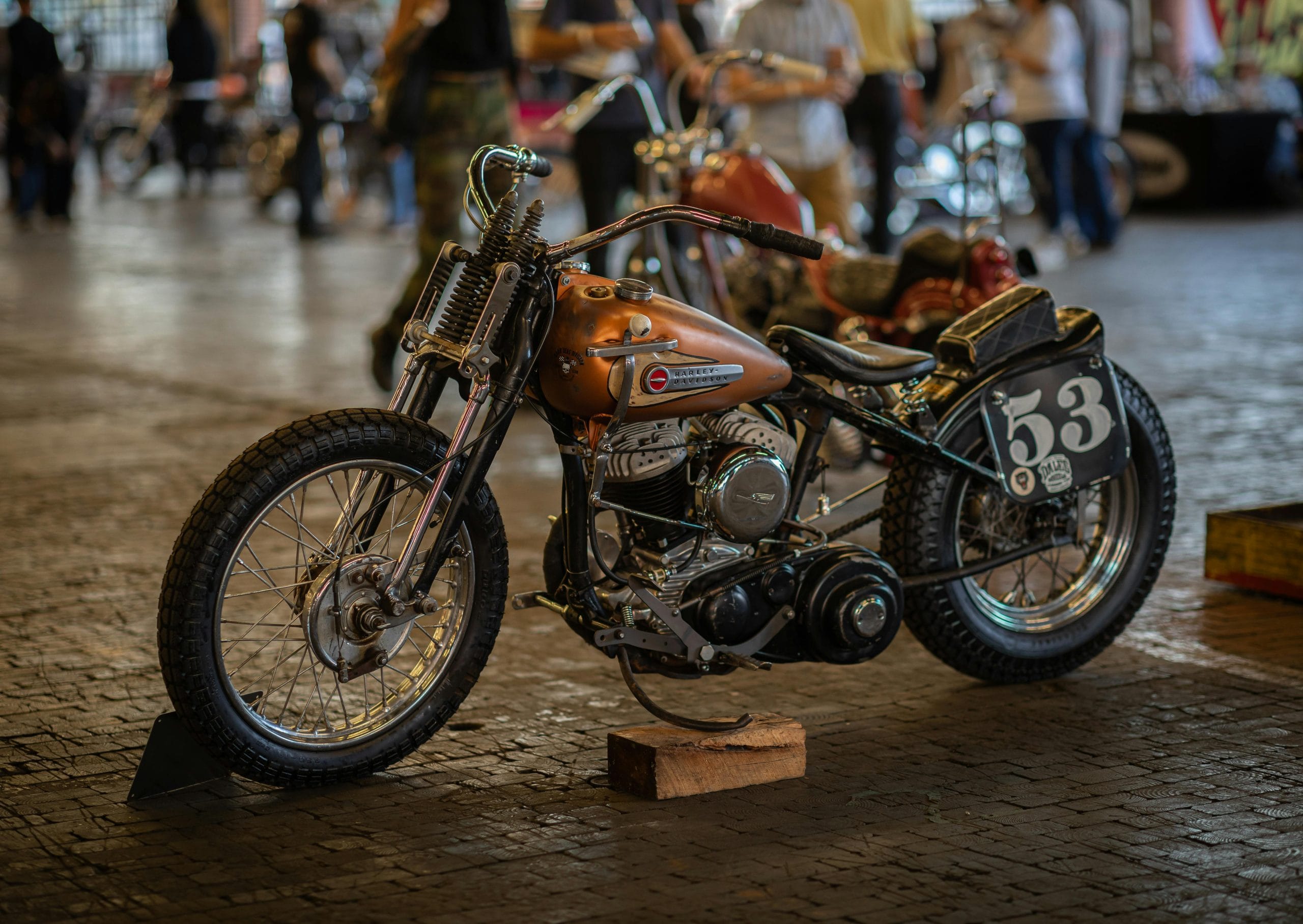
A classic vintage motorcycle parked indoors during an exhibition, showcasing retro style and intricate mechanics.

The Cooling Fin Dilemma: Why Dry Blasting Fails Intricate Castings

For classic motorcycle restorers and vintage bike builders across Gauteng, air-cooled aluminum engine castings present a notoriously difficult maintenance challenge. Decades of exposure to highway grime, baked-on engine oil, and atmospheric oxidation turn bright factory alloys into a dull, stained grey surface. Attempting to clean these intricate shapes using traditional wire wheels, scrapers, or harsh chemical solvents is incredibly labor-intensive and frequently leaves ugly scratch marks on the soft metal. The core of this issue centers directly on the deeply recessed cooling fins found on vintage cylinder heads and engine barrels. Traditional dry sandblasting methods frequently cause severe damage here, blasting away original cast lines, rounding off crisp structural edges, and altering critical gasket mating tolerances through intense friction. To clear away years of stubborn road contamination while completely protecting delicate engine geometry, bike builders rely on specialized motorcycle parts restoration johannesburg workshops to safely restore their alloys. The Cooling Fin Dilemma: Why Dry Blasting Fails Intricate Castings Air-cooled motorcycle cylinders rely entirely on the unobstructed surface area of their cooling fins to dissipate engine heat during operation. Over time, road tar, insects, and heavy oil scale pack tightly into the narrow gaps between these fragile metal fins, creating an insulating layer that causes local hot spots. Trying to clear out these tight recesses with dry abrasive blasting introduces a high risk of fracturing or completely warping the thin aluminum walls. Because dry sandblasting relies on raw, high-velocity kinetic impact, the abrasive grit hammers directly into the metal substrate rather than flowing smoothly through it. In the tight gaps of a cylinder head, this concentrated force causes aggressive surface pitting and micro-fractures along the fragile edges of the fins. Furthermore, dry blasting media easily shatters on impact, embedding microscopic debris deep into the open pores of the warm aluminum, which destroys the factory finish and ruins the historic value of the engine. The Science of Wet Blasting: Fluid-Buffered Slurry Clearance Vapour blasting solves the physical challenges of intricate bike restoration by replacing high-impact dry friction with fluid-driven hydraulic shear. The process suspends fine spherical glass bead media within a pressurized water slurry, creating a protective liquid buffer that cushions the base metal. As the pressurized slurry is directed into the engine casting, the water carrier draws the fine media smoothly around the contours of the cooling fins rather than forcing it to slam directly into them. This specialized fluid motion allows the mixture to reach deep into the narrowest channels, washing away baked-on grime, carbon deposits, and old paint without stripping away any underlying metal. Because the water buffer completely eliminates frictional heat, there is zero risk of thermal distortion or structural warping on rare vintage components. Instead of eroding or tearing the alloy, the smooth flow of the slurry gently micro-peens the raw aluminum surface. This process flushes out old oxidation while closing up the microscopic surface pores of the cast metal, leaving a clean finish that actively repels future grease, road dirt, and oil staining. Comparing Cleansing Methods: Motorcycle Alloy Restoration Economics When restoring a classic motorcycle engine, attempting to fix damage caused by aggressive dry sandblasting can quickly ruin a project’s budget. Sourcing rare replacement parts from international suppliers introduces high shipping costs, unpredictable customs delays, and the risk of losing matching historic serial numbers. Utilizing specialized vapour blasting services gives restorers a highly reliable way to clean, protect, and preserve original hardware while avoiding the high costs of part replacement. Cleaning Method Material Geometry Risk Fin Penetration Ability Surface Finish Quality Long-Term Cost Impact Dry Sandblasting High risk of pitting metal, eroding tolerances, and erasing original logos. Poor; media often plugs or deflects out of tight fin corners. Rough, heavily pitted profile that easily traps grease and dirt. High; risks destroying rare castings and forces expensive part replacements. Wire Brushing / Manual DIY Moderate risk of leaving deep scratches and gouging soft aluminum. Extremely limited; cannot reach deep into narrow cooling fin gaps. Inconsistent, uneven look with noticeable scratch marks. High; consumes dozens of hours of labor with poor final results. Professional Vapour Blasting Zero risk; preserves dimensions, original cast lines, and serial stamps. Excellent; fluid slurry flows easily into every tight recess. Uniform, smooth satin finish that accurately matches OEM specs. Low; safely restores existing parts to factory-new condition within 48 hours. Mitigating Gauteng’s Atmospheric Conditions and Oxidation Factors Motorcycles running and stored in the greater Johannesburg region face distinct environmental challenges that accelerate the degradation of bare cast alloys. The Highveld’s climate features intense, torrential summer thunderstorms followed by prolonged periods of dry, dust-heavy winter conditions. This dramatic cyclical moisture shift creates a harsh operating environment for delicate, air-cooled aluminum components. When engine components are cleaned using traditional dry sandblasting, the aggressive impact creates a highly porous, rough surface profile. This unpolished texture easily traps atmospheric moisture, fine road dust, and industrial pollutants, which triggers rapid white-powder galvanic corrosion deep inside the cooling fins. Utilizing specialized wet abrasive processes provides local motorcycle enthusiasts with a major protective advantage. The micro-peening action of the wet slurry completely clears away embedded corrosive agents while flattening out the metal’s surface pores, creating a uniform satin finish that naturally sheds moisture and resists future weathering across Gauteng. Protecting Delicate Threaded Holes and Precision Bearing Bores Beyond the visible engine castings, motorcycle restorations require absolute precision inside internal assemblies like gearbox casings, wheel hubs, and carburetor bodies. These highly sensitive parts feature delicate threaded holes, critical press-fit bearing journals, and tiny internal fuel passages that must remain completely unaltered to ensure reliable mechanical operation. Because vapour blasting does not cause material loss, these critical engineering dimensions remain exactly to original factory specifications. Threaded holes do not require tedious re-tapping, and bearing bores maintain their tight press-fit clearances. This absolute accuracy is especially valuable when cleaning vintage magnesium casings and delicate brass components, ensuring your engine parts assemble smoothly and function reliably without hidden mechanical wear. Restore Your Motorcycle Alloys to Factory Luster Achieving a reliable, concours-quality finish on

The Cooling Fin Dilemma: Why Dry Blasting Fails Intricate Castings Read Post »

Bring Your Marine Alloys Back to Factory Specifications

For boat owners, jet ski riders, and marine mechanics operating throughout landlocked Gauteng, maintaining watercraft alloys presents a unique set of challenges. Sourcing parts for inland water sports on the Vaal Dam or Hartbeespoort often involves dealing with heavy mineral scaling, stubborn oil varnish, and deep galvanic corrosion. When marine hardware degrades, boat owners face high replacement costs and long shipping delays for specialized components. The standard industry alternative—traditional dry sandblasting—frequently ruins sensitive marine alloys by eroding critical metal thickness. High-velocity dry media impacts can warp thin-walled cooling jackets, pit finely machined propeller splines, and alter critical gasket mating surfaces. To thoroughly strip stubborn marine coatings and oxidation without altering physical dimensions, specialized workshops choose high-precision marine parts restoration services to safely refurbish complex marine hardware. The Erosion Threat: Why Dry Blasting Risks Marine Component Safety Marine components are designed to withstand harsh operating conditions, but they require strict adherence to original structural thickness to handle high hydrodynamic pressure. Aggressive dry abrasive blasting relies on harsh kinetic impact, which tears away microscopic layers of the base metal alongside the surface contaminants. On precision components like outboard lower units or dual-propeller hubs, this slight dimensional loss can result in expensive structural failure. Furthermore, dry blasting media can shatter upon impact, forcing jagged abrasive particles deep into the raw microscopic pores of cast aluminum or bronze. When these parts are reassembled and exposed to water friction, the trapped particles can dislodge, accelerating wear on seals and internal bearing surfaces. For Gauteng boaters looking to maintain their equipment safely, avoiding dry abrasive impact is essential for component longevity. The Fluid Dynamics of Wet Blasting for Delicate Marine Hardware Vapour blasting solves the issues of traditional cleaning by switching from dry high-velocity impact to fluid-driven hydraulic shear. The process suspends fine abrasive media within a pressurized water slurry, creating a liquid cushion that shields the underlying metal substrate. This fluid buffer ensures that surface contaminants are washed away without removing any of the underlying metal. As the slurry stream moves across the component, the water layer draws the media smoothly along complex shapes like propeller blades and cooling passages. This fluid action completely removes the risk of frictional heat buildup, preventing thermal warping on thin-walled aluminum castings. Rather than pitting the alloy, the process micro-peens the surface, closing up the microscopic pores of the metal to make it highly resistant to future scale buildup and oil staining. The Financial Value of Safely Restoring Existing Marine Hardware For inland marine operators, the financial burden of replacing specialized aluminum outboard blocks, heat exchangers, or brass fittings can be exceptionally high. Sourcing replacement parts often requires international shipping, unpredictable customs delays, and high overall costs. Wet abrasive surface processing provides a reliable way to avoid these replacement costs by safely bringing heavily soiled components back to factory-new condition. Marine Component Type Sourcing & Replacement Cost Risk Vapour Blasting Cost Advantage Structural & Operational Result Outboard Lower Units High cost for cast assemblies; long lead times for importing matching models. Fraction of replacement cost; strips old anti-fouling coatings cleanly. Preserves structural wall thickness and keeps critical seal seats precise.   Alloy Propellers & Impellers High replacement pricing; precise balancing and blade geometry required. Restores the existing propeller safely; removes all hard mineral scaling. Blade profiles and spline dimensions remain completely unaltered.   Heat Exchangers & Manifolds Hard to source for older marine models; prone to internal blockages. Eliminates high replacement costs; flushes deep internal passages. Clears restrictive scale deposits to restore optimal engine cooling flow.   Mitigating Gauteng’s Harsh Inland Water Contaminants and Corrosion Factors While Gauteng is landlocked, watercraft operating on inland dams like Hartbeespoort or the Vaal River encounter intense environmental challenges that cause rapid metal degradation. Inland water bodies often feature high concentrations of dissolved minerals, industrial runoff, and organic matter. When marine alloys remain in these waters, they develop tough chemical scaling and aggressive galvanic corrosion along mating surfaces. When boaters attempt to clean these parts using traditional dry blasting, the resulting rough surface profile easily traps moisture, minerals, and atmospheric pollutants, sparking rapid pitting oxidation. Utilizing professional wet blasting johannesburg workflows gives local marine enthusiasts a major protective advantage. The wet slurry completely clears away embedded corrosive crusts while smoothing out the metal’s surface pores, leaving a satin finish that naturally sheds moisture and helps protect your hardware from the regional weathering factors of the Highveld. Safe Cleaning for Delicate Brass Fittings and Fuel Systems Marine fuel systems, vintage carburetors, and brass marine fittings require precise surface cleaning to ensure reliable operation on the water. Small internal passages and fine threads can easily be ruined by harsh abrasive cleaning methods. Vapour blasting provides a non-destructive way to clear out varnish and corrosion without widening tight internal jet dimensions. This precision cleaning process is highly valuable for restoring structural integrity before undertaking specialized welding repairs or non-destructive testing (NDT). The water flow continuously washes the blasting zone, preventing the media blockages common to dry blasting setups. The resulting clean, micro-polished metal gives marine mechanics an ideal surface for precise inspection and reliable reassembly. Bring Your Marine Alloys Back to Factory Specifications Achieving a reliable, high-quality finish on complex marine alloys requires specialized care and professional industrial hardware. VaporEdge Industries operates an advanced, closed-loop wet abrasive system designed to safely clean high-value components without causing metal loss or dimensional drift. Our workshop is centrally located in Malvern East / Bedfordview, making it easy for local boaters to drop off parts, while our integrated nationwide shipping support via The Courier Guy provides reliable transit options for clients across South Africa. This allows your restoration project to move forward smoothly without long delays. Whether you need to clean heavily oxidized outboard lower units, restore complex marine heat exchangers, or strip old anti-fouling coatings from specialized alloy propellers, our non-destructive process delivers a uniform, stain-resistant finish that meets strict factory standards. Learn more about our specialized workflows on our professional vapour blasting services page, or contact our

Bring Your Marine Alloys Back to Factory Specifications Read Post »

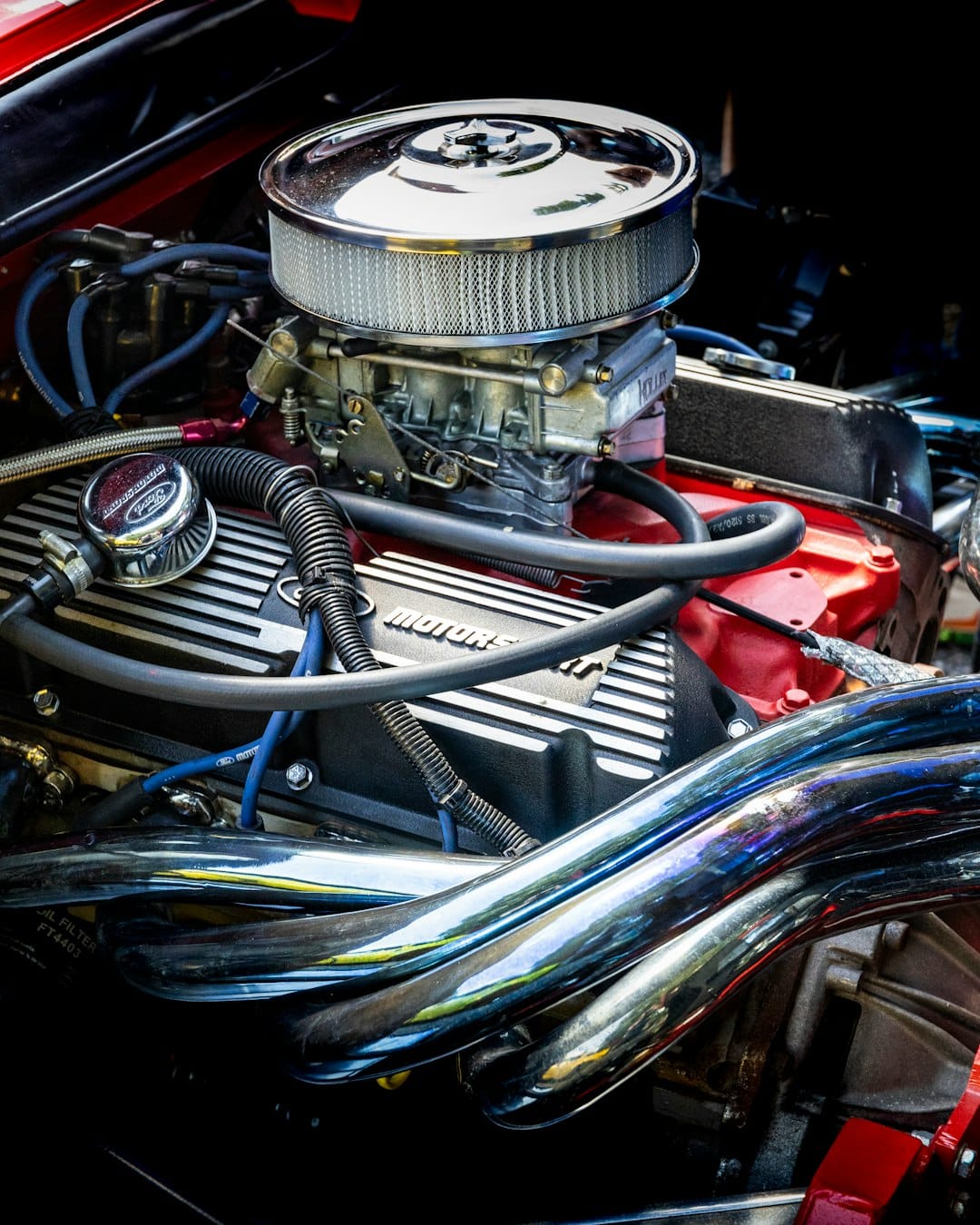
a-close-up-of-the-engine-of-a-car-xzyhgins5aq

Bring Your Automotive Castings Back to Factory Specifications

For classic car restorers, motorcycle builders, and performance tuners across Gauteng, aluminum engine castings present a persistent restoration challenge. Over decades of service, cast alloys become deeply impregnated with baked-on oil varnish, stubborn carbon deposits, and white powdery oxidation. Trying to clean these sensitive metals with traditional wire brushing or harsh chemical baths is often labor-intensive, inconsistent, and risks scratching the surface finish. The alternative—standard dry sandblasting—frequently ruins rare automotive components by erosion. High-velocity dry media impacts can alter critical tolerances on cylinder head mating faces, pit finely machined bearing journals, and distort combustion chamber volumes. To achieve a factory-correct finish while protecting physical dimensions, specialized workshops choose high-precision automotive vapour blasting johannesburg services to safely refurbish historic and performance alloys. The Mechanical Risk of Abrasive Media Implantation Beyond dimensional erosion, dry sandblasting creates a hidden mechanical threat known as media particle implantation. When dry grit hits raw cast aluminum at high speed, the force can split the particles, driving microscopic fragments deep into the metal’s surface pores. On external brackets, this causes cosmetic issues; however, inside critical automotive castings, the results can be devastating. If dry blasting media is used on oil filter housings, cylinder heads, or complex engine blocks, small fragments can remain stuck inside internal oil galleries and cooling passages. Once the engine reaches full operating temperature, thermal expansion opens the aluminum pores, releasing these trapped abrasive particles directly into the engine oil. This abrasive material travels straight to main bearings and camshaft journals, acting as a grinding paste that causes early engine failure. Preserving Cast Lines and Stamped Manufacturing Details For high-value classic car and motorcycle restorations, maintaining original factory markings is critical for historic authenticity and vehicle valuation. Aggressive dry abrasive cleaning methods often wear down fine details, rounding off crisp cast edges, flattening raised casting numbers, and erasing delicate manufacturer logos. Vapour blasting solves this issue by substituting brute impact force with hydraulic shear. Because the fine media is suspended within a pressurized water slurry, the fluid layer acts as a cushion that protects the metal substrate. The slurry moves smoothly across complex cast shapes, flushing away carbon and grease while leaving original manufacturing stamps, machining marks, and cast lines perfectly intact. The Cost-Efficiency Blueprint: Vapour Blasting vs. Part Replacement When dealing with heavily oxidized or contaminated automotive parts, replacement is often considered the default path to ensure reliability. However, for rare classic vehicles or specialized performance builds, sourcing OEM replacement parts can introduce high shipping costs and extended customs delays. Wet abrasive processing offers a reliable way to avoid these high replacement costs by safely bringing original parts back to factory-new condition. Automotive Component Type Sourcing & Replacement Cost Risk Vapour Blasting Cost Advantage Structural & Cosmetic Result Vintage Carburetor Banks High replacement costs; hard to source matching serial numbers. Fraction of replacement cost; completely clears internal fuel circuits. Restores natural zinc/brass luster; keeps throttle bore clearances exact.   Multi-Valve Cylinder Heads High cost for bare castings; extra machining required for new assemblies. Saves the existing head casting; safely removes combustion carbon. Mating faces and valve guide bores remain precise to the micron.   Aluminum Engine Blocks Extremely high cost; difficult logistics and vehicle registration challenges. Eliminates high costs; preserves original matching engine numbers. Completely cleans deep cooling fins; creates an oil-resistant satin finish.   Mitigating Gauteng’s Highveld Weather and Corrosion Factors Vehicles running and stored in the greater Johannesburg region face unique environmental conditions that speed up metal oxidation. The Highveld’s climate features intense summer rainstorms followed by dry, dust-heavy winters. This cyclic moisture profile creates a challenging environment for bare, unprotected cast alloys. When raw aluminum engine parts are cleaned using old-school dry sandblasting, the aggressive impact creates a highly porous, deeply pitted surface profile. This rough finish easily traps atmospheric moisture, fine road dust, and industrial chemical pollutants, leading to rapid white-rust oxidation. Choosing specialized vapour blasting gauteng workflows gives local car enthusiasts a distinct protective advantage. The micro-peening action of the wet slurry flushes away old oxidation while smoothing out the metal’s surface pores, creating a uniform satin finish that naturally sheds moisture and resists future chemical staining. A Safe Finish for Precision Valve Trains and Intake Tracts High-performance engine builds require clean surfaces inside intake tracts and combustion chambers to ensure optimal airflow and reliable operation. Baked-on carbon deposits on valves and inside intake runners disrupt air velocity, reducing overall engine efficiency. Vapour blasting thoroughly strips these hard carbon crusts without altering the underlying metal profile or shaping intake port shapes. This level of precision cleaning is equally valuable for delicate components like external oil coolers, aluminum radiators, and intricate overhead valve train assemblies. The water carrier constantly cleans the blasting zone, preventing the media accumulation issues common to dry blasting cabinets. The resulting clean metal finish gives engine builders a perfect surface for accurate crack detection testing (NDT) before final reassembly. Bring Your Automotive Castings Back to Factory Specifications Achieving a reliable, high-quality finish on rare or high-performance automotive alloys requires professional care and dedicated industrial equipment. VaporEdge Industries runs a specialized, closed-loop wet abrasive system engineered to clean complex automotive, motorcycle, and marine components without causing metal loss or dimensional drift. Our workshop is centrally located in Malvern East / Bedfordview, making it easy for local builders to drop off parts, while our nationwide courier integration via The Courier Guy provides reliable transit options for clients across South Africa. This allows your restoration project to move forward smoothly without long delays. Whether you are restoring a rare vintage intake manifold, cleaning a classic multi-valve head, or preparing a performance engine block for assembly, our non-destructive process delivers a uniform, stain-resistant finish that meets strict factory standards. Read more about our specialized workflows on our professional vapour blasting services page, or contact our engineering team via the VaporEdge Industries homepage to arrange a custom quote for your project today. Looking For Premium Vapor Blasting in Johannesburg? Contact Vapor Edge Industries for a Quote Contact us

Bring Your Automotive Castings Back to Factory Specifications Read Post »

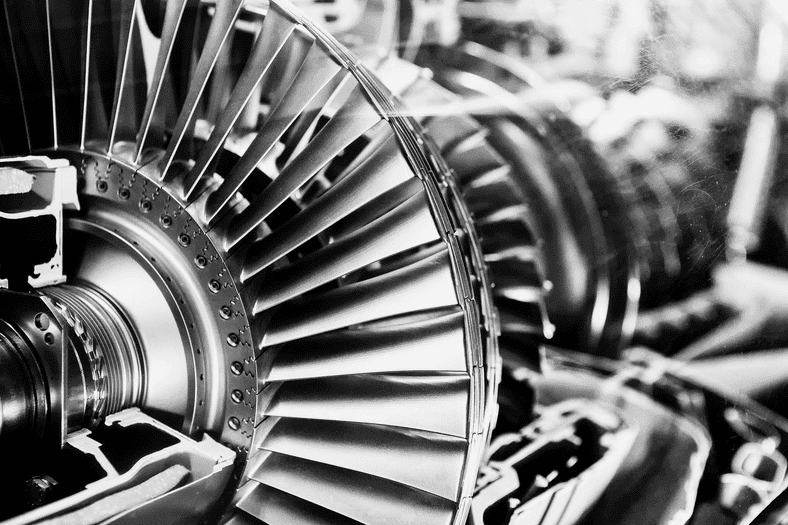
Precision engineering components restored to factory satin finish via vapor blasting y Vapor Edge Industries

Beyond Restoration: How Industrial Vapour Blasting Extends the Operational Lifespan of Critical Engineering Components

For heavy industries, precision machine shops, and fleet operations across Gauteng, component wear is an aggressive line item on the balance sheet. When critical mechanical assemblies succumb to heavy surface oxidation, carbon fouling, or scale buildup, the default engineering response has traditionally been direct replacement. This carries a high financial burden, especially when the underlying structural geometry of the metal remains perfectly viable beneath the surface contamination. The alternative—traditional dry abrasive sandblasting—frequently introduces secondary failure points by eroding critical tolerances, pitting machined surfaces, and warping thin-walled components through intense frictional heat. To maximize asset lifespans without sacrificing structural integrity, modern manufacturing demands a non-destructive surface preparation methodology. Implementing industrial vapour blasting johannesburg offers facilities a precise, fluid-buffered solution that actively restores components to OEM standards while completely avoiding material loss. The Friction Problem: Why Dry Blasting Risks Component Longevity Dry abrasive blasting relies on pure velocity and high-impact kinetic energy to violently smash contaminants off a substrate. While effective for crude structural steel, this dry impact strips away microscopic layers of the base metal, introducing dimensional changes that can ruin high-tolerance engineering components. Furthermore, dry media can fracture upon impact, forcing tiny abrasive particles to embed themselves deep inside the microscopic pores of raw aluminum or cast alloys. If these embedded particles dislodge later inside an assembled engine or hydraulic system, they act as an internal grinding paste, leading to catastrophic mechanical failure. The Engineering Chemistry of Wet Blasting Vapour blasting, also known as wet blasting, shifts the mechanical principle from brute force to hydraulic shear. By suspending fine abrasive media within a pressurized water slurry, the fluid acts as a defensive cushion that protects the underlying metal substrate.   As the slurry hits the component, the water layer prevents the media from embedding into the metal pores, instead drawing the abrasive smoothly across the surface. This fluid motion eliminates the risk of frictional heat buildup, entirely removing the threat of thermal warping or micro-fracturing on delicate mating surfaces. Rather than tearing at the metal, the process gently micro-peens the surface, smoothing out minute imperfections and closing up the microscopic pores of the alloy. This distinct finish leaves the component far more resilient against future chemical staining, carbon adhesion, and moisture retention. Financial Advantages of Precision Refurbishment From an asset management perspective, the economics of wet abrasive surface cleaning provide a clear competitive edge over component replacement strategies. Elimination of Dimensional Drift: Threaded holes, bearing journals, and critical machined mating faces remain unchanged to the exact micron, preserving the component’s original blueprints. Salvaging Obsolete Tooling: Machinery components that are no longer produced can be safely brought back to peak service condition, preventing expensive production line re-engineering. Surface Coating Readiness: The uniform satin finish creates an ideal, uncontaminated surface profile, allowing specialized industrial primers and powder coatings to bond with maximum adhesion. Mitigating Gauteng’s Industrial Corrosion Factors Industrial operations in the greater Johannesburg area encounter distinct environmental and chemical challenges that accelerate component degradation. The combination of high-altitude atmospheric oxidation, extreme seasonal temperature swings, and exposure to localized chemical pollutants in industrial zones rapidly breaks down raw cast metal surfaces. When moisture and airborne industrial contaminants settle into the rough, pitted surfaces left behind by old-school sandblasting, it creates a hotbed for rapid galvanic corrosion. By utilizing the advanced, dust free blasting Johannesburg process, local engineering shops can thoroughly strip away embedded corrosive agents without opening up deep surface pits. The resulting closed-pore, micro-polished surface profile naturally repels moisture and chemical buildup, providing long-term protection against the unique environmental pressures of the Highveld. Securing High-Precision Surface Integrity Choosing the right surface preparation partner is a critical step in protecting the operational lifespan of your mechanical hardware. VaporEdge Industries operates an industrial-grade, closed-loop wet blasting system designed to meet the strict standards required by automotive, marine, and manufacturing sectors. Centrally based in Malvern East / Bedfordview, our workshop provides local pick-up options alongside structured nationwide logistics via The Courier Guy to keep your production turnaround times predictable. Whether you need to refurbish high-performance cylinder heads, clean intricate CNC machined components, or remove heavy scale from industrial pump housings, our process guarantees zero material loss and a finish that outlasts standard treatments. Explore our full range of advanced industrial vapour blasting services to see how wet abrasive technology can safeguard your engineering investments. For custom quotes or project scheduling, connect directly with our engineering team through the VaporEdge Industries homepage today. Looking For Premium Vapor Blasting in Johannesburg? Contact Vapor Edge Industries for a Quote Contact us

Beyond Restoration: How Industrial Vapour Blasting Extends the Operational Lifespan of Critical Engineering Components Read Post »

Scroll to Top