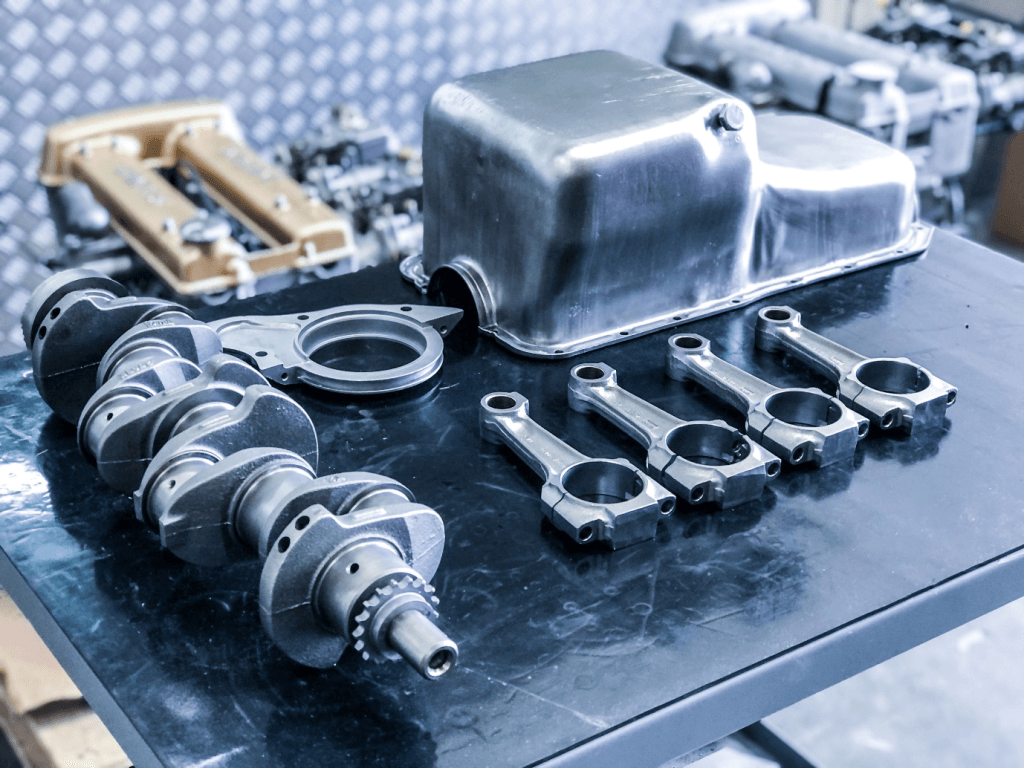

In high-precision engineering, the difference between a component that lasts ten years and one that fails in two is often found in the surface finish.
For industrial plants and machine shops across Johannesburg, “cleaning” is often viewed as a maintenance chore. However, when dealing with critical engineering components—CNC machined parts, hydraulic housings, or heavy-duty valves—the method of cleaning can either preserve the part’s structural integrity or compromise it.
Traditional abrasive methods are too aggressive for precision tolerances. To maintain the strict requirements of modern engineering, the industry is shifting toward industrial vapour blasting.
The Engineering Challenge: Surface Integrity vs. Contamination
The primary challenge in industrial maintenance is removing oxidation, carbon buildup, and old coatings without altering the base metal’s dimensions. In a precision environment, a loss of even a few microns can lead to seal failure, improper fitment, or premature wear.
Dry blasting removes contamination, but it does so by gouging the surface. This creates a peaked surface profile that can act as a stress riser, potentially leading to microscopic cracks under high pressure or thermal load.
The Science of the Satin Finish: Why Vapour Blasting is the Industrial Choice
Vapour blasting (or liquid honing) utilizes a high-pressure slurry of water and fine abrasive. This process provides three distinct engineering advantages:
- Zero Dimensional Loss: Because the abrasive is suspended in a liquid medium, the impact is distributed evenly. This allows for the removal of contaminants without eroding the base metal, ensuring that critical tolerances are maintained.
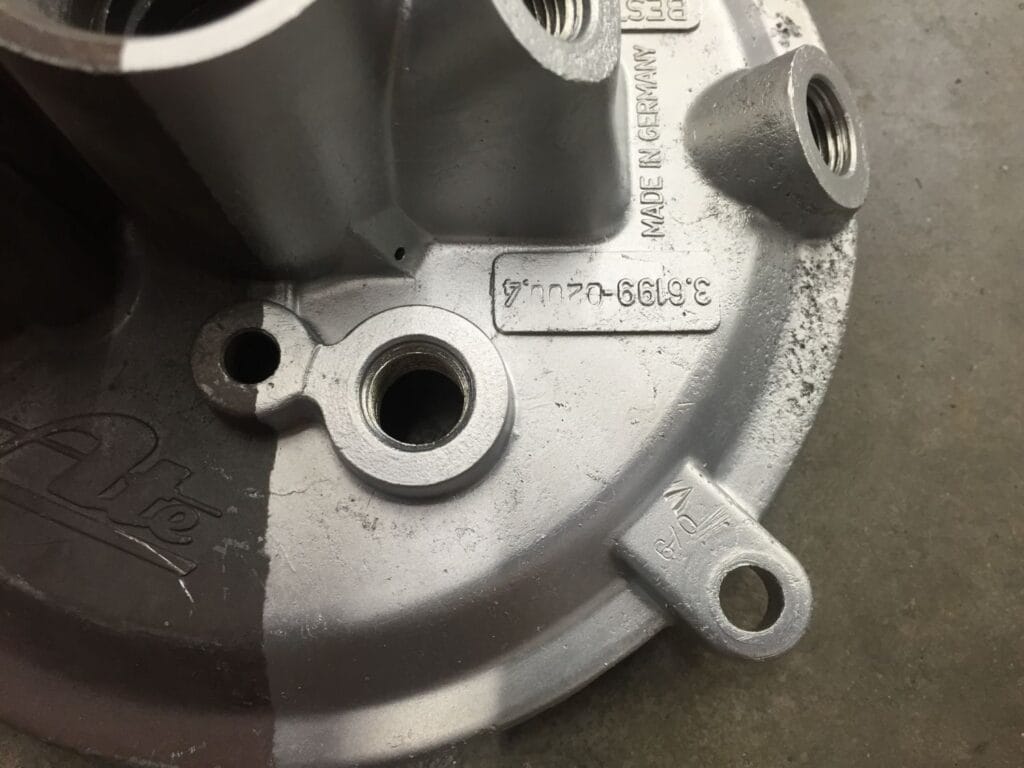
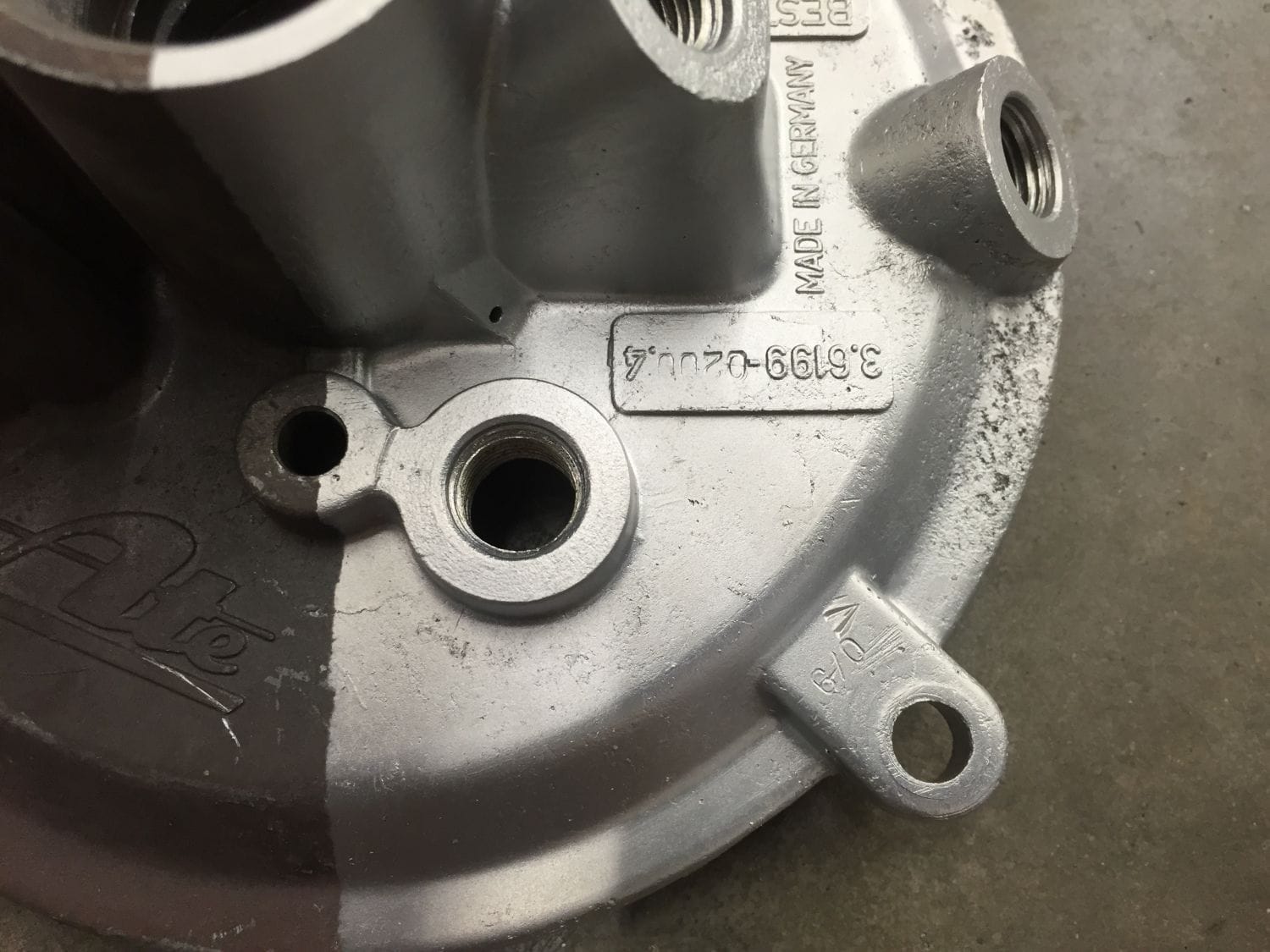
- Surface Peening Effect: The process slightly compresses the surface of the metal. This peening effect closes surface pores and creates a uniform, satin finish that is more resistant to future corrosion and oxidation.
- Superior Lubrication Retention: A vapour-blasted surface provides an ideal profile for lubricants and oils to adhere to, reducing friction and wear in moving assemblies.
Applications in the Johannesburg Industrial Sector
From the manufacturing hubs of Johannesburg South to the engineering firms of the East Rand, vapour blasting is becoming the standard for:
- CNC Machined Components: Removing machining marks and oxidation while preserving the exact geometry of the part.
- Hydraulic & Pneumatic Housings: Cleaning internal and external galleries without the risk of abrasive grit entering the system.
- Tooling and Die Restoration: Refreshing industrial dies to their original state without altering the critical mating surfaces.
- Custom Fabrication: Providing a high-end, professional satin finish for bespoke engineering projects.
Reducing Downtime through Preventative Restoration
The goal of professional surface restoration is not just aesthetics, it is the reduction of downtime. By employing a non-destructive cleaning process, companies can extend the lifecycle of their existing assets rather than investing in expensive replacements.
When a component is restored to its factory-satin finish, it is easier to inspect for cracks, leaks, or wear, allowing for a more accurate preventative maintenance schedule.
Precision Surface Preparation in Johannesburg South
Engineering excellence requires a partner who understands the difference between clean and precision-restored. At VaporEdge Industries, we provide the technical expertise and the specialized equipment necessary to handle the most demanding industrial components.
Whether you are managing a fleet of machinery or a single critical component, we ensure that your parts return to service with their integrity intact and their lifespan extended.
Looking for a precision finish that meets industrial standards?
Request a Professional Quote Today