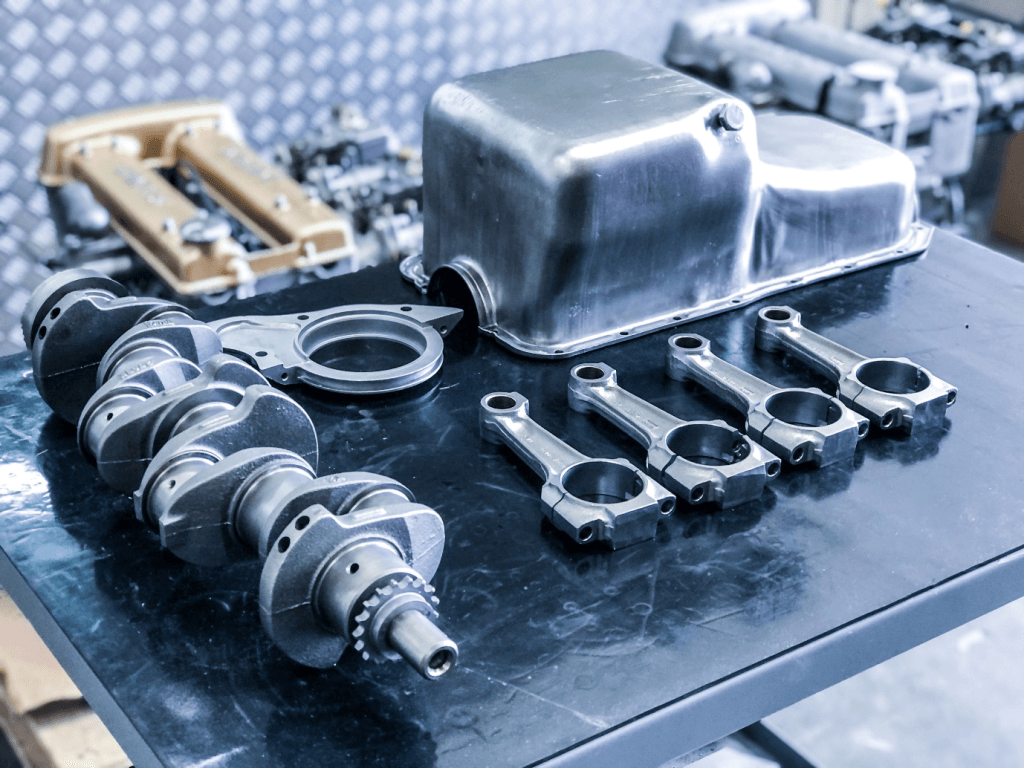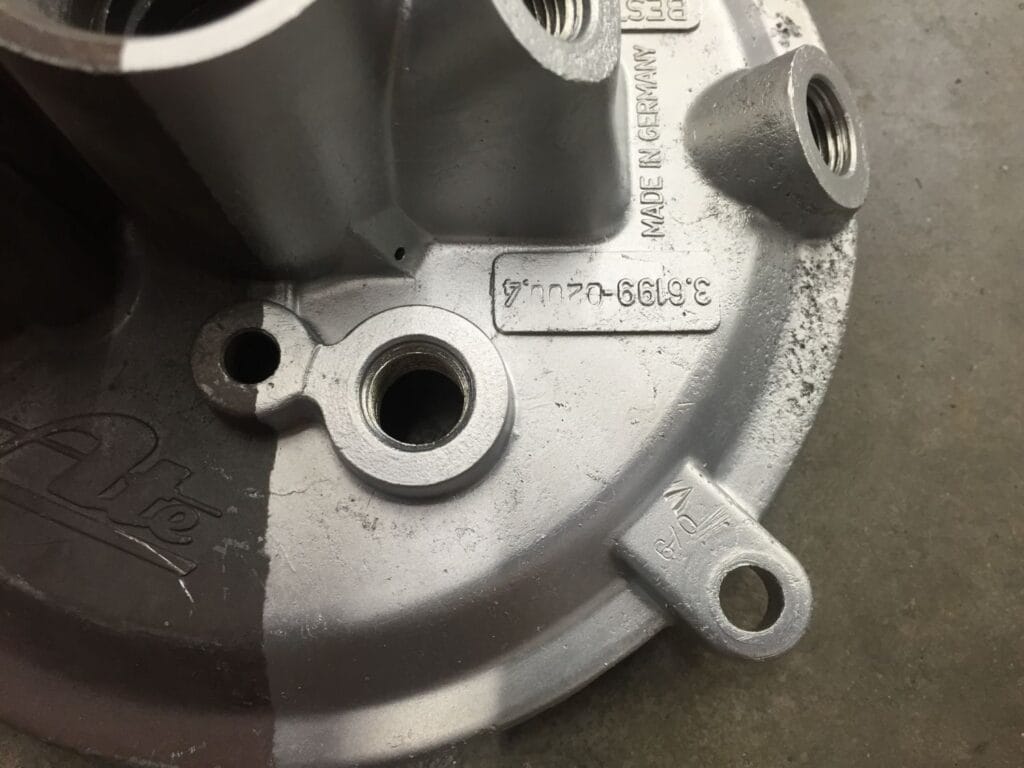


For heavy industries, precision machine shops, and fleet operations across Gauteng, component wear is an aggressive line item on the balance sheet. When critical mechanical assemblies succumb to heavy surface oxidation, carbon fouling, or scale buildup, the default engineering response has traditionally been direct replacement. This carries a high financial burden, especially when the underlying structural geometry of the metal remains perfectly viable beneath the surface contamination.
The alternative—traditional dry abrasive sandblasting—frequently introduces secondary failure points by eroding critical tolerances, pitting machined surfaces, and warping thin-walled components through intense frictional heat. To maximize asset lifespans without sacrificing structural integrity, modern manufacturing demands a non-destructive surface preparation methodology. Implementing industrial vapour blasting johannesburg offers facilities a precise, fluid-buffered solution that actively restores components to OEM standards while completely avoiding material loss.
The Friction Problem: Why Dry Blasting Risks Component Longevity
Dry abrasive blasting relies on pure velocity and high-impact kinetic energy to violently smash contaminants off a substrate. While effective for crude structural steel, this dry impact strips away microscopic layers of the base metal, introducing dimensional changes that can ruin high-tolerance engineering components.
Furthermore, dry media can fracture upon impact, forcing tiny abrasive particles to embed themselves deep inside the microscopic pores of raw aluminum or cast alloys. If these embedded particles dislodge later inside an assembled engine or hydraulic system, they act as an internal grinding paste, leading to catastrophic mechanical failure.
The Engineering Chemistry of Wet Blasting
Vapour blasting, also known as wet blasting, shifts the mechanical principle from brute force to hydraulic shear. By suspending fine abrasive media within a pressurized water slurry, the fluid acts as a defensive cushion that protects the underlying metal substrate.
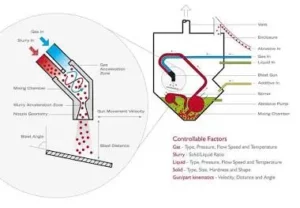
As the slurry hits the component, the water layer prevents the media from embedding into the metal pores, instead drawing the abrasive smoothly across the surface. This fluid motion eliminates the risk of frictional heat buildup, entirely removing the threat of thermal warping or micro-fracturing on delicate mating surfaces.
Rather than tearing at the metal, the process gently micro-peens the surface, smoothing out minute imperfections and closing up the microscopic pores of the alloy. This distinct finish leaves the component far more resilient against future chemical staining, carbon adhesion, and moisture retention.
Financial Advantages of Precision Refurbishment
From an asset management perspective, the economics of wet abrasive surface cleaning provide a clear competitive edge over component replacement strategies.
- Elimination of Dimensional Drift: Threaded holes, bearing journals, and critical machined mating faces remain unchanged to the exact micron, preserving the component’s original blueprints.
- Salvaging Obsolete Tooling: Machinery components that are no longer produced can be safely brought back to peak service condition, preventing expensive production line re-engineering.
- Surface Coating Readiness: The uniform satin finish creates an ideal, uncontaminated surface profile, allowing specialized industrial primers and powder coatings to bond with maximum adhesion.
Mitigating Gauteng’s Industrial Corrosion Factors
Industrial operations in the greater Johannesburg area encounter distinct environmental and chemical challenges that accelerate component degradation. The combination of high-altitude atmospheric oxidation, extreme seasonal temperature swings, and exposure to localized chemical pollutants in industrial zones rapidly breaks down raw cast metal surfaces.
When moisture and airborne industrial contaminants settle into the rough, pitted surfaces left behind by old-school sandblasting, it creates a hotbed for rapid galvanic corrosion. By utilizing the advanced, dust free blasting Johannesburg process, local engineering shops can thoroughly strip away embedded corrosive agents without opening up deep surface pits. The resulting closed-pore, micro-polished surface profile naturally repels moisture and chemical buildup, providing long-term protection against the unique environmental pressures of the Highveld.
Securing High-Precision Surface Integrity
Choosing the right surface preparation partner is a critical step in protecting the operational lifespan of your mechanical hardware. VaporEdge Industries operates an industrial-grade, closed-loop wet blasting system designed to meet the strict standards required by automotive, marine, and manufacturing sectors. Centrally based in Malvern East / Bedfordview, our workshop provides local pick-up options alongside structured nationwide logistics via The Courier Guy to keep your production turnaround times predictable.
Whether you need to refurbish high-performance cylinder heads, clean intricate CNC machined components, or remove heavy scale from industrial pump housings, our process guarantees zero material loss and a finish that outlasts standard treatments. Explore our full range of advanced industrial vapour blasting services to see how wet abrasive technology can safeguard your engineering investments. For custom quotes or project scheduling, connect directly with our engineering team through the VaporEdge Industries homepage today.