
When you’re dealing with marine parts—whether it’s engine components, propellers, or delicate fittings—restoration isn’t just about making things look good again. It’s about precision, longevity, and performance. And that’s where vapour blasting quietly steps in and changes the game.
Think of it as restoration with a lighter touch. Less aggressive than traditional methods, but incredibly effective. It’s not just cleaning—it’s reviving.
At its core, vapour blasting—sometimes called wet blasting—is a surface treatment process that uses a mix of water, abrasive media, and compressed air. The result? A smooth, even finish that cleans without damaging the underlying material.
Unlike dry blasting, which can be harsh and abrasive, vapour blasting introduces water into the mix. That water acts like a cushion, softening the impact while still removing corrosion, grime, and old coatings.
And in marine environments, where parts are constantly exposed to saltwater and harsh conditions, that balance matters.
Why Marine Parts Need Special Attention
Marine components live a tough life. Saltwater corrosion, oxidation, buildup of grime—it all adds up. Over time, even high-quality materials start to degrade, both visually and functionally.
The challenge? Restoring these parts without weakening them.
Traditional cleaning methods can be too aggressive. They might remove corrosion, sure—but they can also strip away protective layers or leave surfaces rough and vulnerable.
Vapour blasting takes a different approach.
A Gentler Restoration Process
Here’s where vapour blasting really stands out—it cleans while preserving.
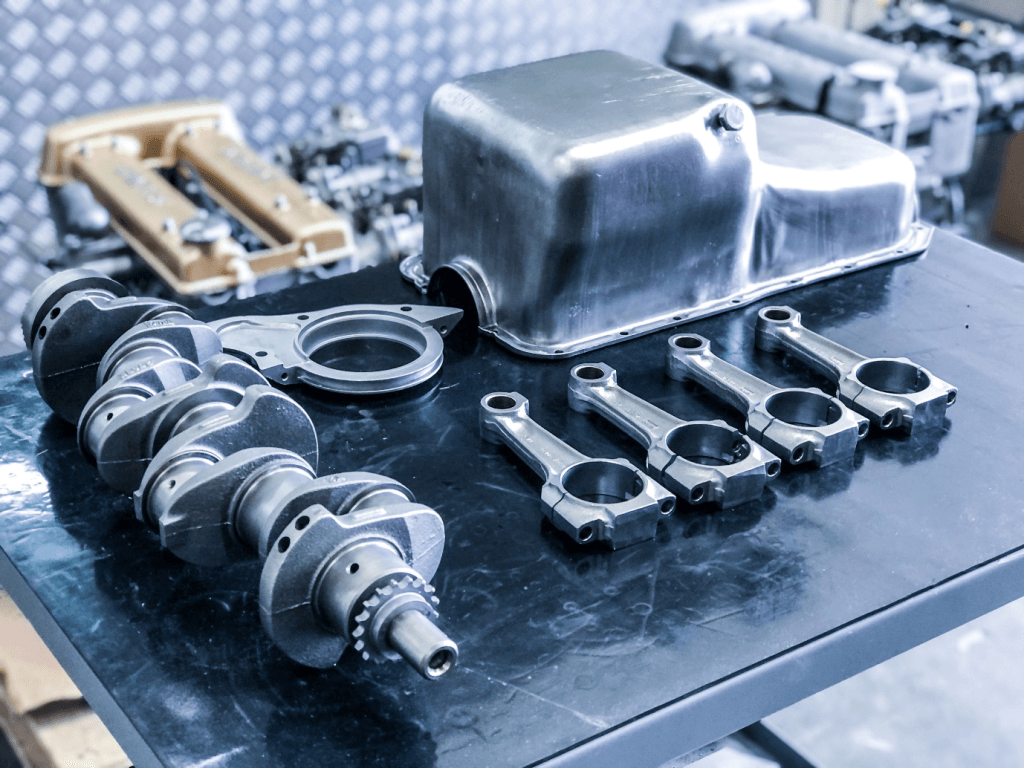
The water-based process reduces friction and heat, which means less risk of warping or damaging sensitive components. That’s especially important for parts like:
- Aluminum engine casings
- Carburetors
- Stainless steel fittings
- Brass and bronze components
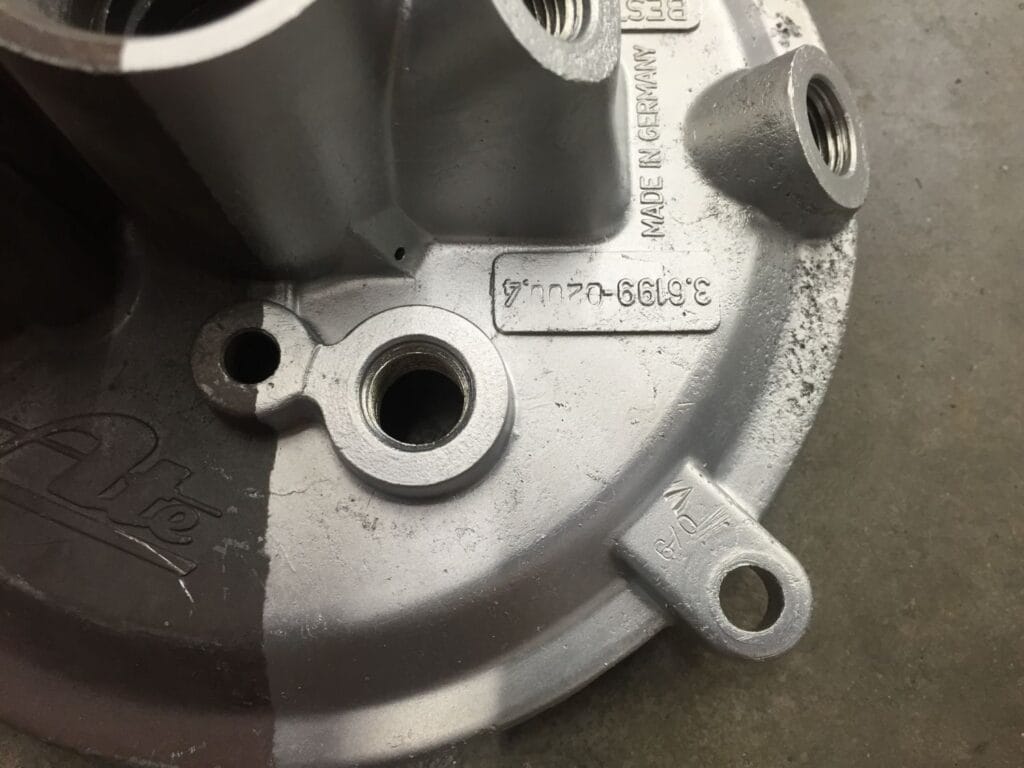
Instead of a rough, etched surface, you’re left with a satin-like finish—clean, uniform, and ready for use or further treatment.
The Real Advantage: Surface Finish
Let’s talk about the finish, because this is where things get interesting.
Vapour blasting doesn’t just clean—it refines. The process peens the surface lightly, closing pores and creating a smoother texture. That has two big benefits:
- Improved corrosion resistance
- Better performance and longevity
For marine parts, that’s not just cosmetic—it’s practical.
A smoother surface means fewer places for salt and contaminants to settle. And over time, that can make a real difference in how long a component lasts.
Ideal for Restoration Projects
If you’re working on a marine restoration—whether it’s a personal project or professional work—vapour blasting offers a level of control that’s hard to match.
It allows you to:
- Remove years of buildup without aggressive abrasion
- Maintain original dimensions and tolerances
- Restore parts to a near-original appearance
And let’s be honest—there’s something satisfying about seeing a heavily corroded part come back to life, looking almost factory-fresh.
Not Just for Looks—It’s Functional
It’s easy to think of restoration as purely visual. But in marine environments, appearance often reflects function.
Corrosion and buildup don’t just look bad—they interfere with performance. They can:
- Restrict airflow in engine components
- Affect sealing surfaces
- Reduce efficiency
By removing these issues gently and thoroughly, vapour blasting helps restore functionality—not just aesthetics.
Environmentally Considerate Approach
Another angle worth mentioning is the environmental side of things.
Because vapour blasting uses water, it significantly reduces dust and airborne contaminants. That makes it safer for operators and cleaner for the workspace.
It also means:
- Less mess
- Better visibility during the process
- Reduced need for harsh chemical cleaners
In a world where environmental considerations matter more than ever, that’s not a small detail.
Where Vapour Blasting Fits Best
Not every cleaning method works for every job—and vapour blasting is no exception. But when it comes to marine parts, it hits a sweet spot.
It’s particularly effective for:
- Engine restoration
- Marine hardware refurbishment
- Pre-paint or pre-coating preparation
- Removing oxidation from non-ferrous metals
It’s not about replacing every method—it’s about using the right tool for the job.
And in many cases, this is the right tool.
What to Expect from the Process
If you’ve never seen vapour blasting in action, here’s a quick breakdown of what typically happens:
- Preparation – Parts are inspected and pre-cleaned if necessary
- Blasting – A controlled mix of water and media is applied under pressure
- Rinsing – Residual media is washed away
- Drying – Parts are dried to prevent any moisture-related issues
The entire process is designed to be controlled and consistent—no surprises, no damage, just results.
A Shift in How Restoration Is Done
There’s a reason vapour blasting is gaining traction, especially in industries where precision matters.
It’s not just another cleaning method—it’s a shift in mindset.
Instead of aggressive removal, it’s about careful restoration. Instead of rough finishes, it’s about refined surfaces. Instead of compromise, it’s about balance.
And for marine parts, that approach makes sense.
Final Thoughts: Restoration Without Compromise
Marine parts restoration has always been a bit of a balancing act. Clean too aggressively, and you risk damage. Be too gentle, and you don’t get the results you need.
Vapour blasting sits right in the middle.
It offers a way to restore parts effectively without sacrificing integrity. It improves both appearance and performance. And it does it in a way that feels controlled, consistent, and reliable.
If you’re working with marine components—whether you’re maintaining, repairing, or restoring—this is a method worth paying attention to.
Because sometimes, the best results come from doing things a little differently.