General

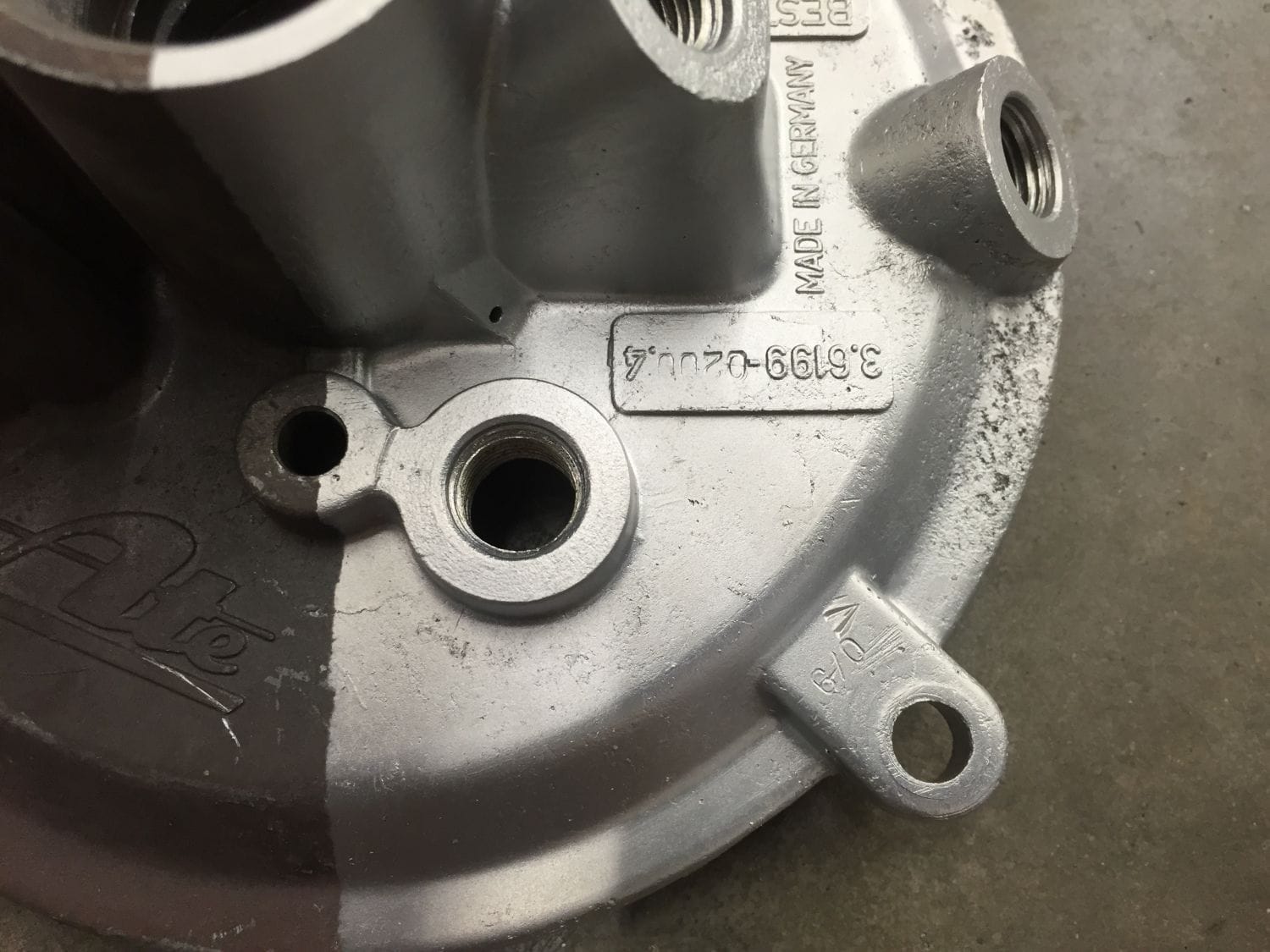
A precision engineering component half vapor blasted in Johannesburg South

Marine Parts Restoration Using Vapour Blasting

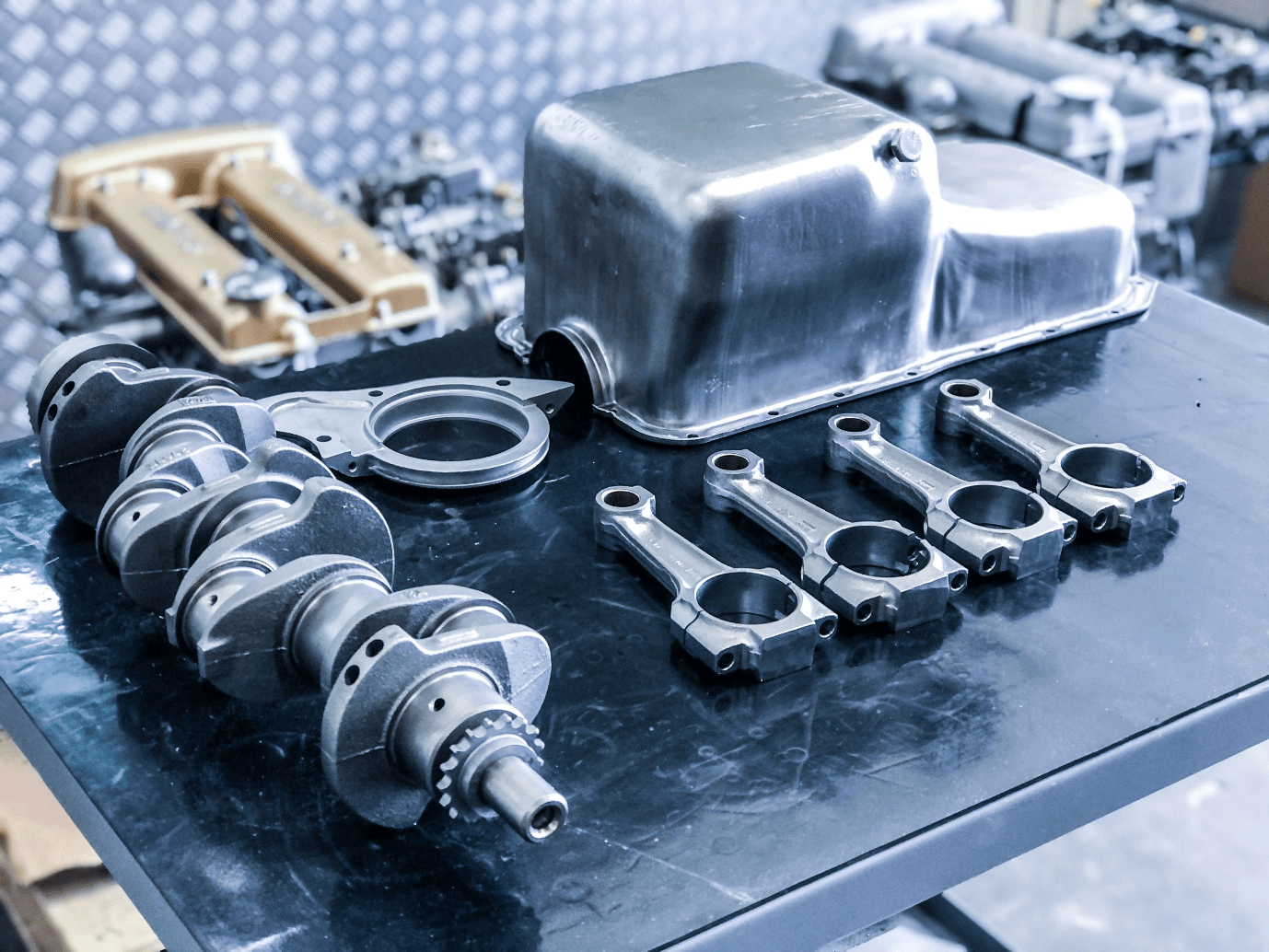
When you’re dealing with marine parts—whether it’s engine components, propellers, or delicate fittings—restoration isn’t just about making things look good again. It’s about precision, longevity, and performance. And that’s where vapour blasting quietly steps in and changes the game. Think of it as restoration with a lighter touch. Less aggressive than traditional methods, but incredibly effective. It’s not just cleaning—it’s reviving. At its core, vapour blasting—sometimes called wet blasting—is a surface treatment process that uses a mix of water, abrasive media, and compressed air. The result? A smooth, even finish that cleans without damaging the underlying material. Unlike dry blasting, which can be harsh and abrasive, vapour blasting introduces water into the mix. That water acts like a cushion, softening the impact while still removing corrosion, grime, and old coatings. And in marine environments, where parts are constantly exposed to saltwater and harsh conditions, that balance matters. Why Marine Parts Need Special Attention Marine components live a tough life. Saltwater corrosion, oxidation, buildup of grime—it all adds up. Over time, even high-quality materials start to degrade, both visually and functionally. The challenge? Restoring these parts without weakening them. Traditional cleaning methods can be too aggressive. They might remove corrosion, sure—but they can also strip away protective layers or leave surfaces rough and vulnerable. Vapour blasting takes a different approach. A Gentler Restoration Process Here’s where vapour blasting really stands out—it cleans while preserving. The water-based process reduces friction and heat, which means less risk of warping or damaging sensitive components. That’s especially important for parts like: Aluminum engine casings Carburetors Stainless steel fittings Brass and bronze components Instead of a rough, etched surface, you’re left with a satin-like finish—clean, uniform, and ready for use or further treatment. The Real Advantage: Surface Finish Let’s talk about the finish, because this is where things get interesting. Vapour blasting doesn’t just clean—it refines. The process peens the surface lightly, closing pores and creating a smoother texture. That has two big benefits: Improved corrosion resistance Better performance and longevity For marine parts, that’s not just cosmetic—it’s practical. A smoother surface means fewer places for salt and contaminants to settle. And over time, that can make a real difference in how long a component lasts. Ideal for Restoration Projects If you’re working on a marine restoration—whether it’s a personal project or professional work—vapour blasting offers a level of control that’s hard to match. It allows you to: Remove years of buildup without aggressive abrasion Maintain original dimensions and tolerances Restore parts to a near-original appearance And let’s be honest—there’s something satisfying about seeing a heavily corroded part come back to life, looking almost factory-fresh. Not Just for Looks—It’s Functional It’s easy to think of restoration as purely visual. But in marine environments, appearance often reflects function. Corrosion and buildup don’t just look bad—they interfere with performance. They can: Restrict airflow in engine components Affect sealing surfaces Reduce efficiency By removing these issues gently and thoroughly, vapour blasting helps restore functionality—not just aesthetics. Environmentally Considerate Approach Another angle worth mentioning is the environmental side of things. Because vapour blasting uses water, it significantly reduces dust and airborne contaminants. That makes it safer for operators and cleaner for the workspace. It also means: Less mess Better visibility during the process Reduced need for harsh chemical cleaners In a world where environmental considerations matter more than ever, that’s not a small detail. Where Vapour Blasting Fits Best Not every cleaning method works for every job—and vapour blasting is no exception. But when it comes to marine parts, it hits a sweet spot. It’s particularly effective for: Engine restoration Marine hardware refurbishment Pre-paint or pre-coating preparation Removing oxidation from non-ferrous metals It’s not about replacing every method—it’s about using the right tool for the job. And in many cases, this is the right tool. What to Expect from the Process If you’ve never seen vapour blasting in action, here’s a quick breakdown of what typically happens: Preparation – Parts are inspected and pre-cleaned if necessary Blasting – A controlled mix of water and media is applied under pressure Rinsing – Residual media is washed away Drying – Parts are dried to prevent any moisture-related issues The entire process is designed to be controlled and consistent—no surprises, no damage, just results. A Shift in How Restoration Is Done There’s a reason vapour blasting is gaining traction, especially in industries where precision matters. It’s not just another cleaning method—it’s a shift in mindset. Instead of aggressive removal, it’s about careful restoration. Instead of rough finishes, it’s about refined surfaces. Instead of compromise, it’s about balance. And for marine parts, that approach makes sense. Final Thoughts: Restoration Without Compromise Marine parts restoration has always been a bit of a balancing act. Clean too aggressively, and you risk damage. Be too gentle, and you don’t get the results you need. Vapour blasting sits right in the middle. It offers a way to restore parts effectively without sacrificing integrity. It improves both appearance and performance. And it does it in a way that feels controlled, consistent, and reliable. If you’re working with marine components—whether you’re maintaining, repairing, or restoring—this is a method worth paying attention to. Because sometimes, the best results come from doing things a little differently.

Marine Parts Restoration Using Vapour Blasting Read Post »
Engine Vapor Blasting: The Ultimate Guide to Cleaning and Restoring Engine Parts

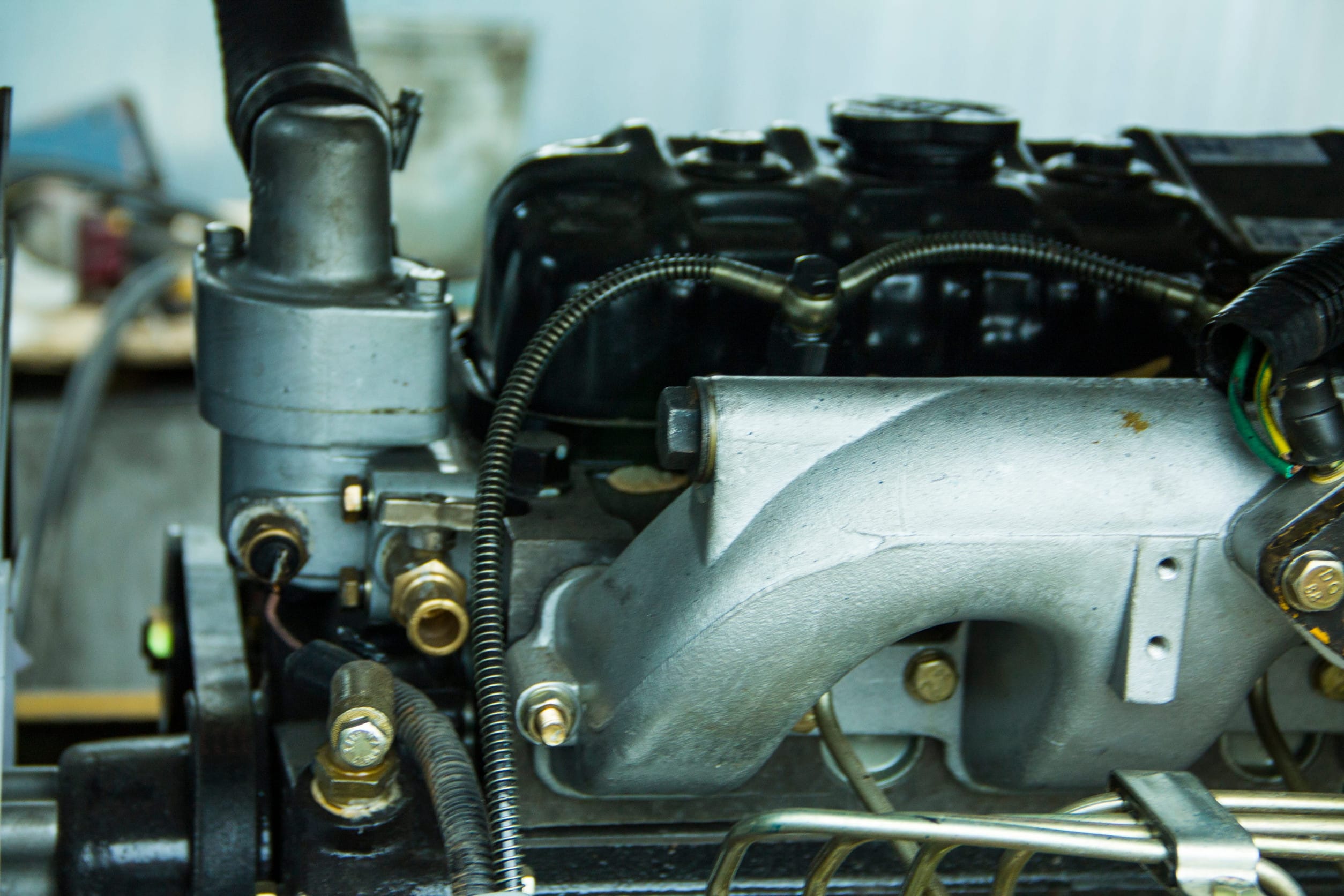
When restoring or rebuilding an engine, one of the biggest challenges is removing years of dirt, oil, corrosion, and carbon buildup without damaging delicate components. Traditional cleaning methods often leave scratches or fail to remove stubborn contaminants. This is where Engine Vapor Blasting has become one of the most effective and trusted solutions. Engine vapor blasting is widely used in the automotive and engineering industries because it restores metal parts to a clean, factory-like finish while protecting the integrity of the material. In this guide, we explain what engine vapor blasting is, how it works, and why it has become the preferred cleaning method for engine restoration. What Is Engine Vapor Blasting? Engine Vapor Blasting is a surface cleaning process that uses a mixture of water, compressed air, and fine abrasive media to clean and restore engine components. The water acts as a cushion for the abrasive particles, allowing them to remove dirt, grease, oxidation, and carbon deposits without aggressively damaging the metal surface. This process is a variation of Vapor Blasting, which is commonly used for cleaning aluminum, steel, and other sensitive components. The result is a smooth satin finish that looks close to new, making it ideal for engine restorations. Why Engine Vapor Blasting Is Popular in Engine Restoration Engine components are often made from aluminum or other sensitive metals that can easily be damaged by harsh cleaning techniques. Unlike traditional Sandblasting, vapor blasting offers a gentler cleaning approach while still delivering powerful results. Some key benefits include: Deep removal of grease and carbon buildup Restoration of oxidized aluminum surfaces Minimal surface damage Reduced dust during the cleaning process A smooth and uniform finish Because of these advantages, vapor blasting is now commonly used in engine rebuilding workshops and automotive restoration projects. Engine Parts That Can Be Vapor Blasted Many different engine components can be safely cleaned using Engine Vapor Blasting. These include: Engine Blocks Over time, engine blocks accumulate grease, rust, and oxidation. Vapor blasting removes these contaminants while preserving the metal surface. Cylinder Heads Cylinder heads often suffer from carbon buildup. Vapor blasting helps restore these parts without damaging important surfaces. Carburetors Carburetors require careful cleaning to avoid damaging small internal passages. Vapor blasting provides a precise cleaning solution. Intake Manifolds Oil and carbon deposits can reduce performance. Vapor blasting effectively removes these contaminants. Gearboxes and Engine Covers These components can regain their original appearance after proper vapor blasting. The Engine Vapor Blasting Process The Engine Vapor Blasting process follows several steps to ensure safe and effective cleaning. 1. Inspection and Preparation The engine parts are inspected and stripped of seals, bearings, and sensitive components. 2. Degreasing Heavy oil and grease are removed before blasting to improve cleaning results. 3. Vapor Blasting A mixture of water, abrasive media, and compressed air is applied to the part inside a specialized blasting cabinet. 4. Final Rinse and Drying After blasting, the components are thoroughly rinsed and dried to prevent corrosion. 5. Quality Inspection The restored engine parts are checked to ensure they meet restoration standards. Advantages of Engine Vapor Blasting There are several reasons why professionals prefer Engine Vapor Blasting over other cleaning techniques. Restores Engine Parts to Like-New Condition The process removes oxidation and contaminants, restoring the natural appearance of aluminum and metal components. Gentle Yet Effective Cleaning Unlike aggressive blasting methods, vapor blasting preserves the original structure of engine parts. Improved Surface Finish Engine components receive a clean, satin-like finish that looks professional and well-maintained. Reduced Environmental Impact The water used in vapor blasting helps reduce airborne dust and debris. When Should You Use Engine Vapor Blasting? Engine vapor blasting is ideal for: Engine rebuilds Classic car restorations Motorcycle engine restoration Cleaning performance engine components Removing corrosion from aluminum engine parts Whether you are restoring a vintage engine or preparing components for reassembly, this method provides reliable results. Professional Engine Vapor Blasting Services While small parts can sometimes be cleaned using DIY methods, professional equipment ensures the best possible outcome. Specialists use advanced vapor blasting systems to achieve consistent results while protecting delicate components. Companies such as Vaporedge Industries offer professional blasting services designed for automotive and industrial applications. With the right expertise and equipment, engine parts can be restored safely and efficiently. Final Thoughts Engine restoration requires precision and care, especially when dealing with delicate components. Engine Vapor Blasting has become one of the most effective ways to clean and restore engine parts without causing damage. From removing years of grime to restoring oxidized aluminum surfaces, this method offers a safe, efficient, and professional solution for engine restoration. Businesses and individuals looking to restore engine components can rely on specialists like Vaporedge Industries for high-quality vapor blasting services that deliver outstanding results. Looking For Premium Vapor Blasting in Johannesburg? Contact Vapor Edge Industries for a Quote Contact us

Engine Vapor Blasting: The Ultimate Guide to Cleaning and Restoring Engine Parts Read Post »

A precision engineering component half vapor blasted in Johannesburg South

Vapor Blasting: The Ultimate Solution for Automotive Restoration and Surface Cleaning

Introduction to Vapor Blasting Technology Vapor blasting, also known as wet blasting or vapor honing, has quickly become one of the most trusted cleaning and restoration methods in the automotive restoration industry. Restoration specialists, engine rebuilders, and mechanical workshops are increasingly turning to vapor blasting because it offers an efficient, safe, and highly effective way to clean delicate components without damaging their original structure. Unlike traditional dry blasting methods, vapor blasting combines water, abrasive media, and compressed air to create a powerful cleaning slurry. This wet slurry flows smoothly across surfaces, gently removing corrosion, rust, grease, and decades of accumulated grime. At the same time, it preserves critical details such as casting marks, serial numbers, and original surface textures—features that are essential for maintaining the authenticity and value of classic automotive parts. For restoration professionals and enthusiasts alike, vapor blasting is rapidly becoming the preferred solution for restoring historical automotive components to their original appearance. What is Vapor Blasting? Vapor blasting is a surface-cleaning process that uses a mixture of water, abrasive media, and compressed air to clean and restore metal components. The water-based slurry cushions the abrasive particles, allowing them to clean surfaces more gently compared to traditional dry blasting. This process is particularly effective for cleaning engine parts, carburetors, gearboxes, aluminum castings, motorcycle components, and other mechanical parts that require both precision and care. Because the water acts as a lubricant, the abrasive particles glide across the surface rather than aggressively striking it. This results in a smooth, uniform finish while preventing damage to delicate materials. Why Automotive Restoration Shops Prefer Vapor Blasting Automotive restoration requires techniques that remove contamination without destroying the character of original parts. Vapor blasting excels in this area because it cleans thoroughly while preserving the history embedded in the component. Traditional dry blasting can be too aggressive. It often strips away identifying marks, casting textures, and subtle surface details that contribute to a vehicle’s historical value. Vapor blasting, however, cleans the surface without erasing these important characteristics. For restoration professionals, this balance between deep cleaning and gentle treatment makes vapor blasting an essential part of the restoration process. Deep Cleaning for Hard-to-Reach Areas One of the biggest advantages of vapor blasting is its ability to reach areas that are difficult or impossible to clean using conventional methods. The water-based slurry flows naturally across surfaces and into tight spaces, crevices, and small channels. This flow-based cleaning action allows vapor blasting to remove rust, corrosion, and debris even in areas where brushes, chemicals, or traditional blasting cannot reach. For complex engine parts or components with intricate shapes, this capability dramatically reduces cleaning time while delivering superior results. Superior Surface Finishing for Engine Rebuilds Beyond cleaning, vapor blasting also enhances the appearance and performance of restored parts. The process produces a smooth satin finish that looks like new without appearing artificially polished. This finish is particularly desirable for aluminum components such as engine blocks, cylinder heads, and intake manifolds. In addition, vapor blasting prepares surfaces for further processes such as coating, painting, or sealing. The consistent finish ensures that coatings adhere better and last longer. For engine rebuilders and restoration specialists, this dual function of cleaning and finishing makes vapor blasting incredibly valuable. Health and Safety Benefits of Vapor Blasting Another reason many workshops prefer vapor blasting is its safer and cleaner operating environment. Traditional dry blasting produces large amounts of airborne dust and abrasive particles. This dust can pose respiratory hazards and create a messy working environment that requires extensive protective equipment. Vapor blasting eliminates most of this dust by using water to contain the abrasive media. As a result, workshops experience cleaner air, quieter operation, and a more comfortable working atmosphere. Because dust is minimized, technicians often do not require heavy respiratory protection typically needed with dry blasting systems. Versatility Across Different Materials Vapor blasting is not limited to metal components. The process is versatile enough to clean and restore various materials used in automotive and mechanical applications. It can safely clean: Aluminum engine components Steel mechanical parts Carburetors & Fuel System Components: Carburetors require absolute precision. Dry media blasting packs fine dust into tiny internal fuel circuits and passages, destroying the component. Vapour blasting uses a cushioned water liquid-honing action that thoroughly clears out fuel varnish and varnish deposits without altering internal dimensions or eroding threads. Motorcycle parts Plastic housings Rubber components Because the process is gentle yet effective, it restores parts without causing damage or deformation. Key Advantages of Vapor Blasting Many restoration shops are adopting vapor blasting because of the numerous benefits it provides. Some of the most notable advantages include: Consistent Satin FinishVapor blasting produces a smooth, even surface that looks professionally restored without appearing overly polished. Restores Plastic and Rubber ComponentsUnlike aggressive cleaning techniques, vapor blasting can clean many non-metal components without damaging them. Preserves Casting Marks and IdentifiersImportant identification marks, serial numbers, and original casting textures remain intact during cleaning. Ideal Surface Preparation for CoatingsThe process prepares parts perfectly for paint, powder coating, or protective treatments. Dust-Free Workshop EnvironmentWater suppresses dust, keeping workspaces cleaner and safer. Low Noise OperationVapor blasting equipment operates at lower decibel levels compared to many dry blasting systems. Chemical-Free CleaningNo harsh chemicals are required, reducing environmental impact and disposal costs. Lower Abrasive ConsumptionBecause the slurry reuses abrasive media efficiently, workshops save money on materials. Customizable Surface FinishesOperators can adjust blasting pressure and media type to achieve different finishes tailored to customer requirements. Conclusion Vapor blasting is transforming the way automotive restoration professionals clean and prepare mechanical components. By combining powerful cleaning capabilities with gentle surface treatment, this technology provides unmatched results for restoring classic parts. With benefits such as dust-free operation, environmental friendliness, surface finishing capabilities, and the ability to preserve historical details, vapor blasting has become the preferred method for modern restoration workshops. If you are looking to restore automotive components while maintaining their authenticity and value, vapor blasting is undoubtedly one of the most effective solutions available today. Looking for Engine

Vapor Blasting: The Ultimate Solution for Automotive Restoration and Surface Cleaning Read Post »

vapour blasting services in Johannesburg

Vapour Blasting vs Sandblasting

Which Method is Best When it comes to restoring or cleaning metal components, choosing the right blasting method is essential. Vapour blasting (also called wet blasting or aquablasting) and sandblasting are two common techniques, but they differ in process, finish quality, and safety. Understanding these differences can help you make the right choice for automotive, marine, and industrial parts in Johannesburg and across Gauteng. What is Vapour Blasting? Vapour blasting is a precision cleaning process that uses fine abrasive particles mixed with water to remove rust, paint, and surface contaminants. It is also known as wet blasting, liquid honing, or aquablasting, and is prized for being: Fast: Many businesses, like Vapor Edge Industries Services, offer guaranteed 48-hour component turnaround. What is Sandblasting? Sandblasting is the traditional method of surface cleaning that propels abrasive materials (like sand or grit) at high speed to strip paint, rust, or corrosion. While effective, sandblasting: Key Differences Between Vapour Blasting and Sandblasting   Advantages of Vapour Blasting Vapour blasting offers several benefits over sandblasting, particularly for precision and high-value components: Which Method Should You Choose? If your priority is precision, safety, and component integrity, vapour blasting is generally the superior choice. Sandblasting may still be suitable for large-scale industrial surfaces where dust and surface damage are less of a concern. For businesses or individuals in Johannesburg and Gauteng, working with a professional vapour blasting service ensures: Ready to Restore Your Components? If you’re looking for professional vapour blasting in Johannesburg, contact Vapor Edge Industries today. Our team specializes in automotive, marine, and aeronautical parts, providing dust-free, non-destructive cleaning with a guaranteed 48-hour turnaround.

Vapour Blasting vs Sandblasting Read Post »

Scroll to Top